



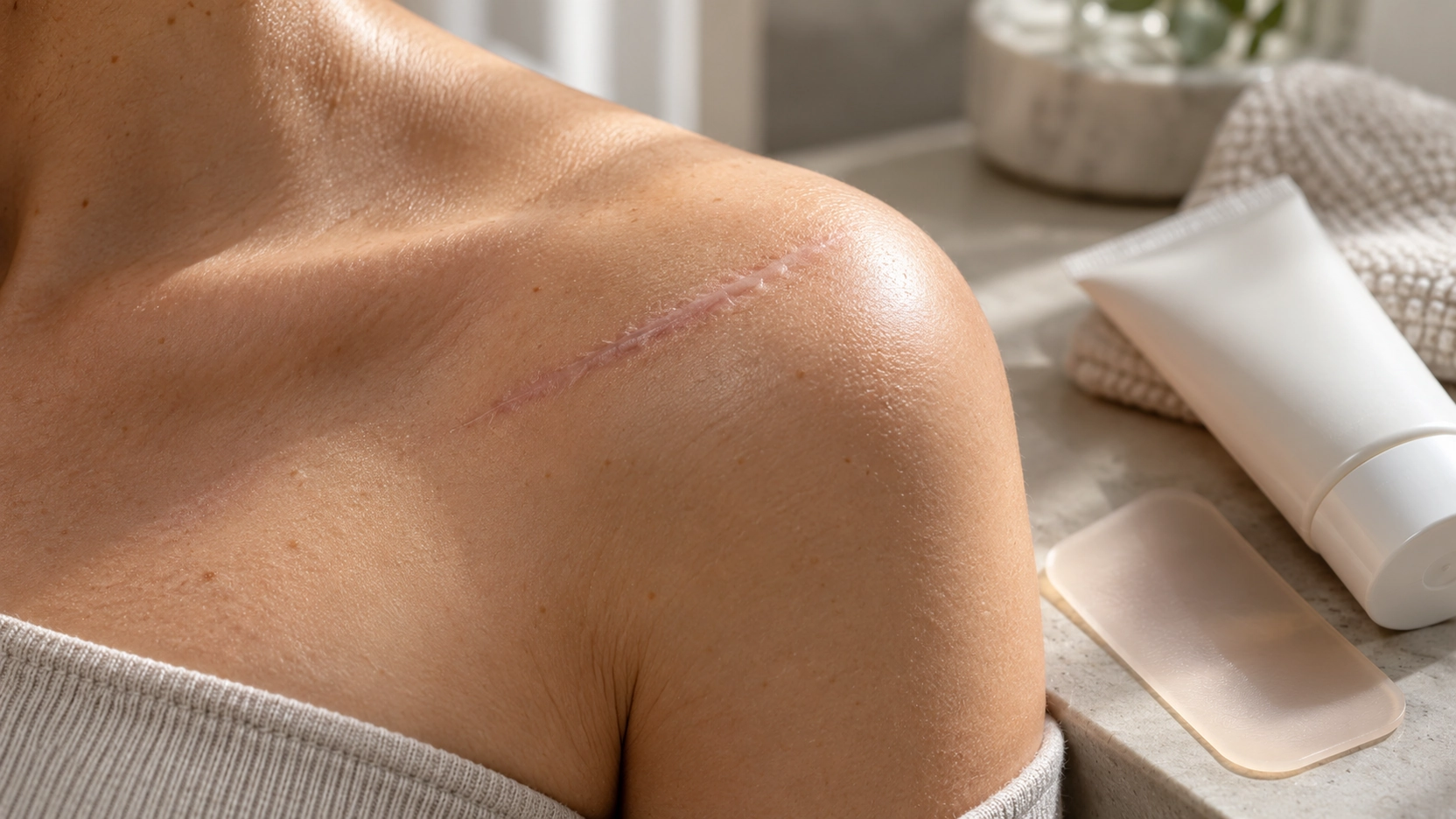
Aesthetic surgery is often discussed in terms of the new shape it creates, yet the quality of healing matters just as much as form. In 2026, scar management is increasingly understood as a planned, long-term process: thoughtful incision placement, reducing wound tension, preventing infection and separation, sun protection and selected supports such as silicone all belong to the same strategy.
The appearance of a scar in the first weeks does not represent its final result. Scar tissue remodels for months; a line that initially looks pink, firm or raised can soften and fade with time. Patients can therefore be misled both by early anxiety that a scar is permanent and by the opposite mistake of underestimating follow-up once the wound has closed.
Genetic tendency, skin type, anatomical site, smoking, nutrition, diabetes, tension and previous scar history can all influence the outcome. People prone to hypertrophic scars or keloids may need a more individualized plan. Lasers, injections, compression or surgical revision can have roles, but their timing and indication require professional assessment.
Scar maturation is a biological process measured in months rather than weeks. Early redness and firmness may gradually lessen as collagen remodels and vascularity decreases. Surgical technique, tension across the incision, infection risk, sun protection and individual healing tendencies all influence the final appearance, which is why scar care continues well beyond the operation itself.