




Everything About Hair and Beard Transplantation!
If you are experiencing hair, beard, or even eyebrow loss, the solution is now more comfortable and simpler than ever. Thanks to the FUE technique, hair loss is no longer a nightmare for men.
Who Can Have Hair, Beard, and Eyebrow Transplantation?
Hair loss is a major concern for men of all ages — but today, the solution is far more effortless.
If you are facing hair loss, the FUE method offers a highly effective treatment option. Beyond hair restoration, this comfortable technique can also address thinning in the beard and eyebrows.
Hair loss today is not only caused by genetics. Stress, depression, vitamin deficiencies, poor diet, seborrheic skin conditions, and alopecia areata are among the many factors that can lead to hair, beard, and eyebrow thinning.
A Comfortable Solution With the FUE Technique
The FUE (Follicular Unit Extraction) method is the most preferred and recommended technique in hair transplantation. In FUE, individual hair follicles are extracted one by one and implanted into areas lacking hair.
Before transplantation, the donor hairs are trimmed to about 1 mm in length. In women, however, the area receiving the grafts may not need to be shortened — this only extends the duration of the procedure. The follicular units are then placed individually into the transplantation site. Since the procedure is performed under local anesthesia, no pain is felt.
This method is not suitable for every patient; the process begins only after medical evaluation and necessary tests confirm eligibility. Recovery is rapid, and the patient can easily return to daily activities. As many hair strands will grow as the number of grafts implanted.
FUE can also be used for eyebrow and beard transplantation. Eyebrows may thin due to scars, burns, dermatological conditions, or long-term over-plucking. Eyebrow transplantation involves transferring hair follicles from the nape area and designing the desired eyebrow shape beforehand.
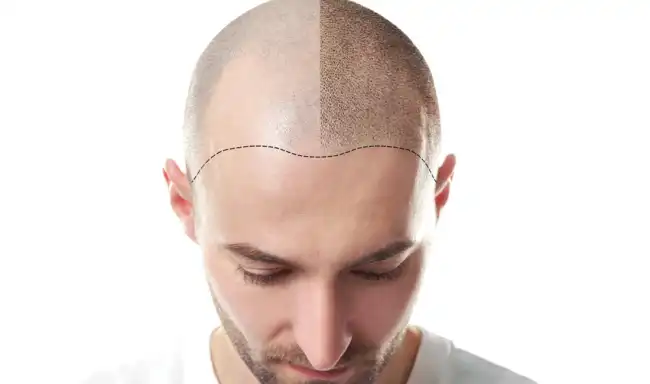
Results in 10 Weeks
Most of the transplanted hairs shed between 2–6 weeks, but the roots remain intact under the skin. Around the 10th week, new hairs begin to grow from these follicles. The ideal time to evaluate results is between 8–12 months. Over time, the new hairs thicken and resemble the natural texture of hair from the donor area.
Can Women Have Hair Transplants?
Hair loss in women differs from that in men. Women have significantly lower levels of testosterone, which means the causes of hair loss vary. After necessary evaluations, if deemed appropriate, women can also undergo hair transplantation successfully.
Post-Transplantation Care: What Should You Pay Attention To?
• Avoid contact with water for the first 2 days.
• Do not use cosmetic products.
• On day 3, the first wash is performed, and the patient is shown how to wash the area properly.
• Do not touch or pick at scabs in the transplanted areas.
• To reduce swelling, apply ice compresses in the first few days.
• Avoid swimming pools, the sea, tanning beds, saunas, and exercise for 1 month.
• If the procedure is done in summer, wear a hat to protect the area from heat and sunlight.
• Sleep on your back for the first week and avoid direct contact of the transplanted area with the pillow.