


There are cities you do not merely visit; they seep into you. Rome, for me, was precisely that kind of place. I felt it almost as soon as I took my first step. It was my first journey abroad, I was alone, and in my pocket I carried nothing more than a four-day visa. I walked until my feet ached; I lost myself in streets whose names I did not know. In the dimly lit lanes of Rome, standing beside an old Fiat 500, I felt as though my soul had quietly expanded, making room for itself.
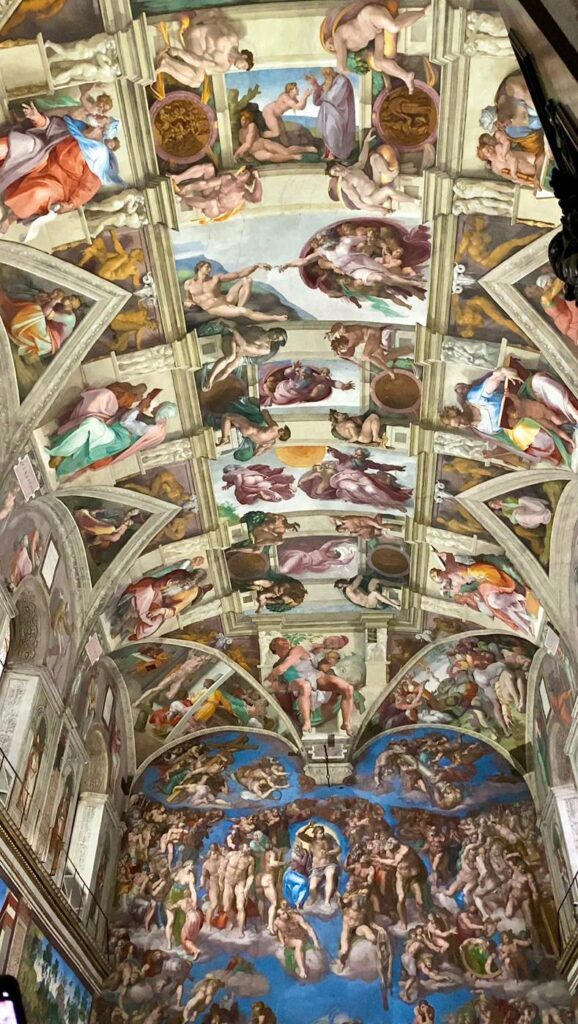
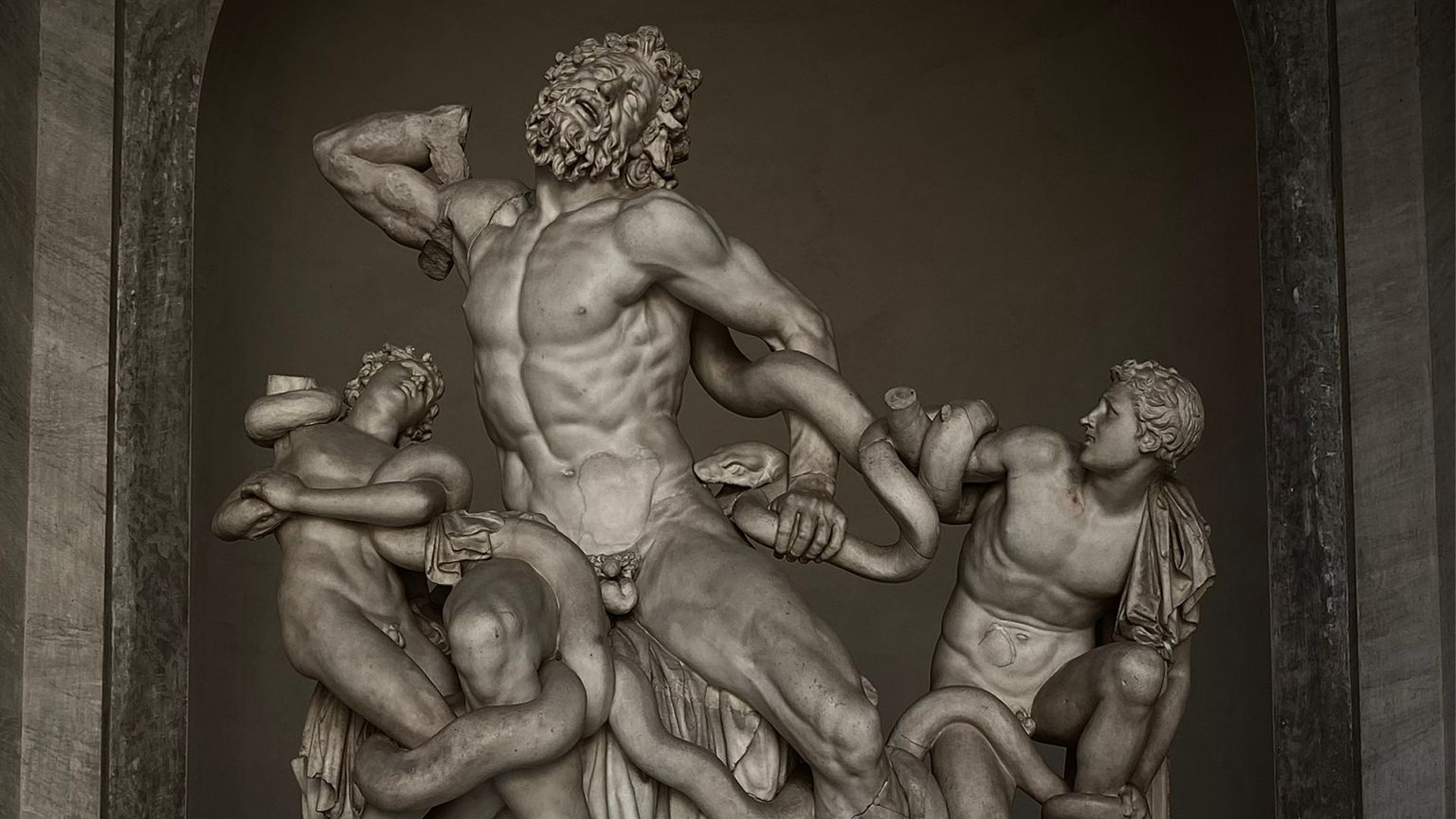
When I stood before Laocoön and His Sons in the Vatican Museums, I was astonished that marble could hold such lifelike agony. It unsettled me, because even that immense emotion of suffering possessed an almost impossible beauty. You pass into another hall: gilded ornaments, geometric perfection, a splendour shaped by human hands yet somehow exceeding the human. Every detail opens a different chamber of feeling. And when I lifted my head toward the columns rising upward, I saw the frescoes above me… What was Michelangelo thinking when he swept that brush across the ceiling? Was he trying only to depict something divine, or was he also telling the story of our own endless struggle as fragile, flesh-and-bone human beings?
Silence is heavier here. Around you are countless people sitting, filming on their phones, pausing, simply thinking. No one speaks, yet everyone is saying something.
And I… I am twenty-seven, feeling as though an entire life still stretches before me. My mind is full of noise. Yet amid all the chaos of my life, I realize that I have, in truth, only one aim: to reach my own essence, that raw, uncarved, marble-like state of purity. There is something comforting in knowing that even the greatest geniuses were once young, frightened, and full of passion. Look — thousands of years have passed; these buildings are still here, these sculptures are still suffering. But you are here now; you are questioning, feeling — and that is worth at least as much.
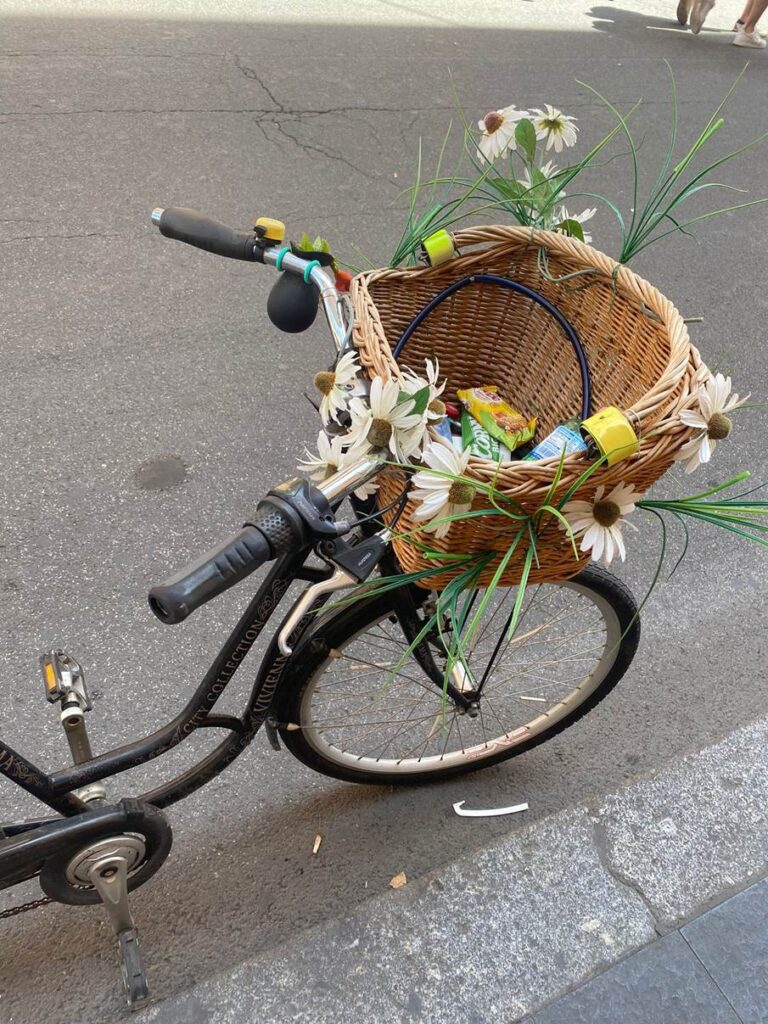
I step out from the walls of the Vatican and into the sunlight. I rent a bicycle with a wicker basket attached to its black frame, filled with daisies. With “Mardy Bum” playing in my headphones, I feel that happiness is exactly this moment. Nothing more than the turning of the pedals. Around me are small cafés, churches, trees wrapped in greenery, the road stretching along the river, a soft breeze brushing past… Even being a stranger in Rome carries a strange sense of belonging.
Then my path leads me to the place where stone, water, and sculpture converge: the famous Trevi Fountain. The ceaseless movement and flow of the water creates a magnificent contrast with the frozen expressions of the statues. The central figure is powerful, resolute, while the surrounding figures seem to accompany him. Horses, waves, human bodies… all of them belong to one whole, one story. The square is full of people making wishes, throwing coins into the water, even drinking from it. Perhaps to return, perhaps to forget, perhaps to begin again… They are all pursuing the same thing: hope.
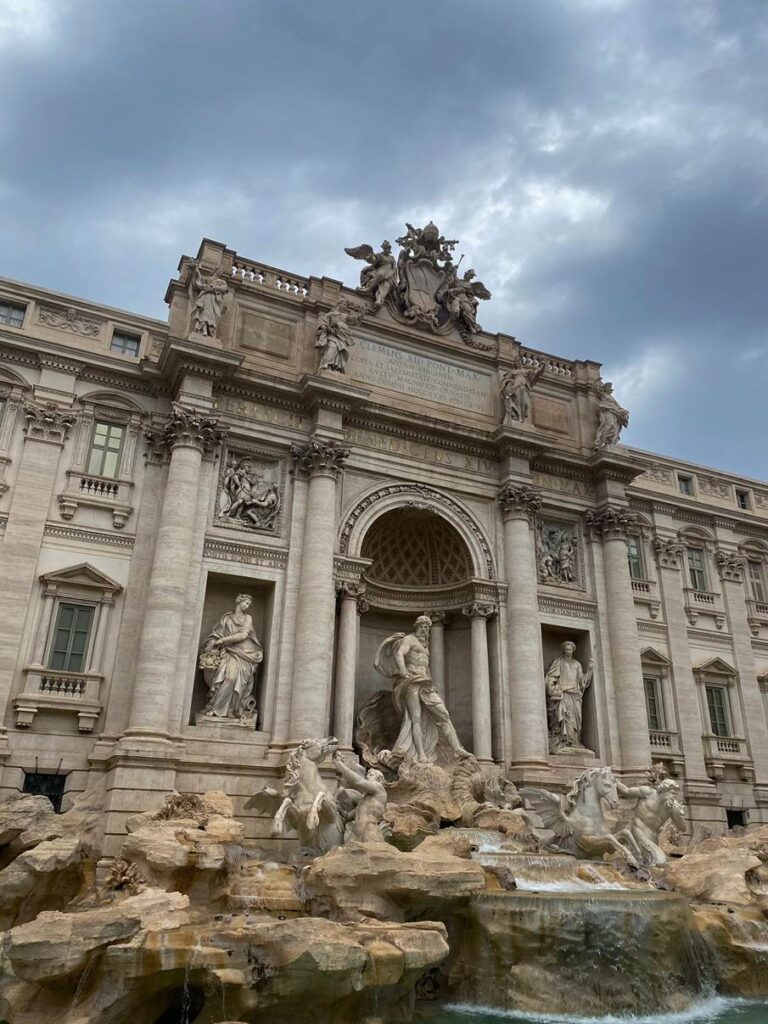
As I secretly trail my fingers through the cold water, I find myself in a period of life when I am slowly beginning to understand that life is not quite so fairytale-like. I think only of the frightening freedom of standing there, wanting nothing, belonging to no one but myself. It feels marvellously good — and yet unsettling.
Do you make a wish? Or do you merely watch? Or do you take a photograph without assigning any meaning to it and continue on your way? Perhaps this journey you are reading is not really a passage from one place to another, but from one state of being into another. From that first melancholic moment in the Vatican to the instant you stand before the fountain…
In truth, it is a road passing through you. At the beginning, you touched a feeling; at the end, a question — and somewhere in between, yourself.
As the heat of the day slowly recedes, I walk through the side streets of Trastevere and find myself standing before a shop window, staring at a wine I have seen again and again.
“Sangue…” the man in the shop says, half-smiling, though I cannot understand the rest.
Since I do not speak Italian, I look at him with curiosity and admit that I have not understood. Switching to English, he repeats: “We call this wine the Devil’s Blood. It is very intense. In the 1970s, traditional circles found it too fiery, too rebellious, too spicy. At that time, production techniques were expected to remain within conventional boundaries. But Piero Antinori and his family wanted to take winemaking somewhere different. For that period, it was a remarkably radical decision, because these methods fell outside Italian wine regulations.
“It did not receive enough attention back then. But today, it is among the most prestigious Italian wines.”
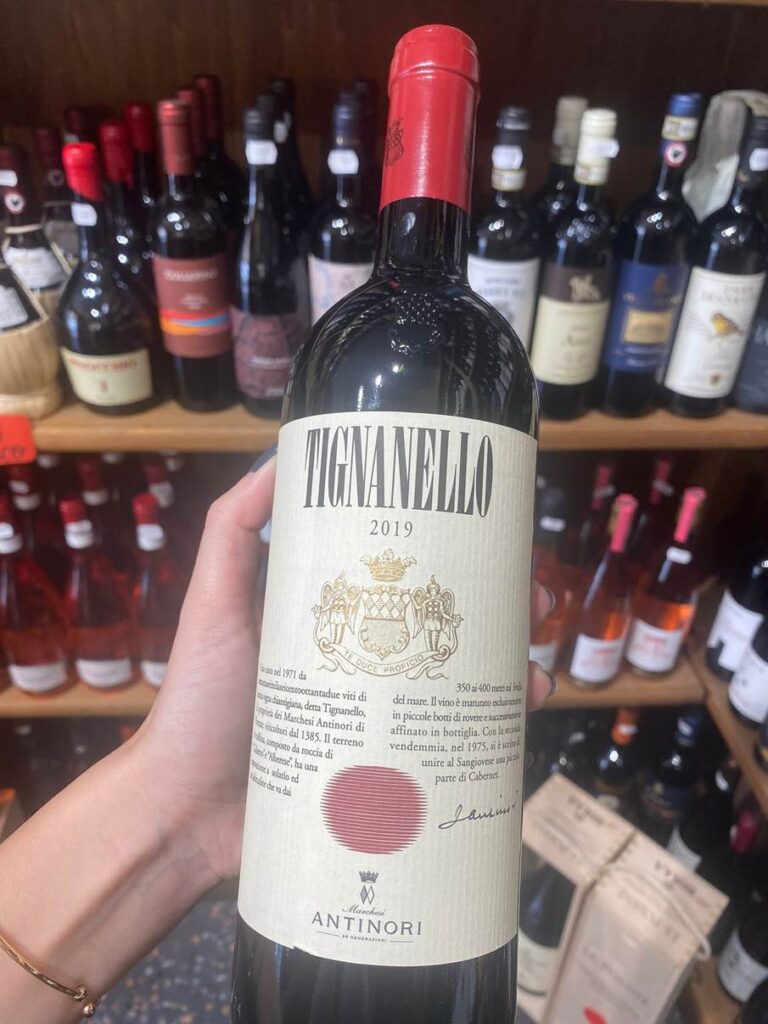
I place the bottle back, but I carry its story with me. Perhaps I was curious not to taste it, but simply to hear it. My curiosity felt like a chance encounter: something standing quietly on a shelf, telling you its story for a moment, then allowing you to continue on your way. And there, art suddenly leaves the museum and pours itself into a bottle of wine. It begins again in a tiny sentence spoken in passing.
In Rome, every street corner, every glass, and every shadow invites us to find what endures within the fleeting.
The four days come to an end. My feet still ache, I am sleepless, and inside me there is a strange, bittersweet tenderness.
When I look back, I see not only those magnificent works and buildings, but also the warm wind scattering my hair, the tart aftertaste of the wines on my tongue, the vast dark shadow of the Colosseum, the wonderful people and memories I encountered in passing, and that enchanted night when the moon hung as a slender crescent above the Tiber River.
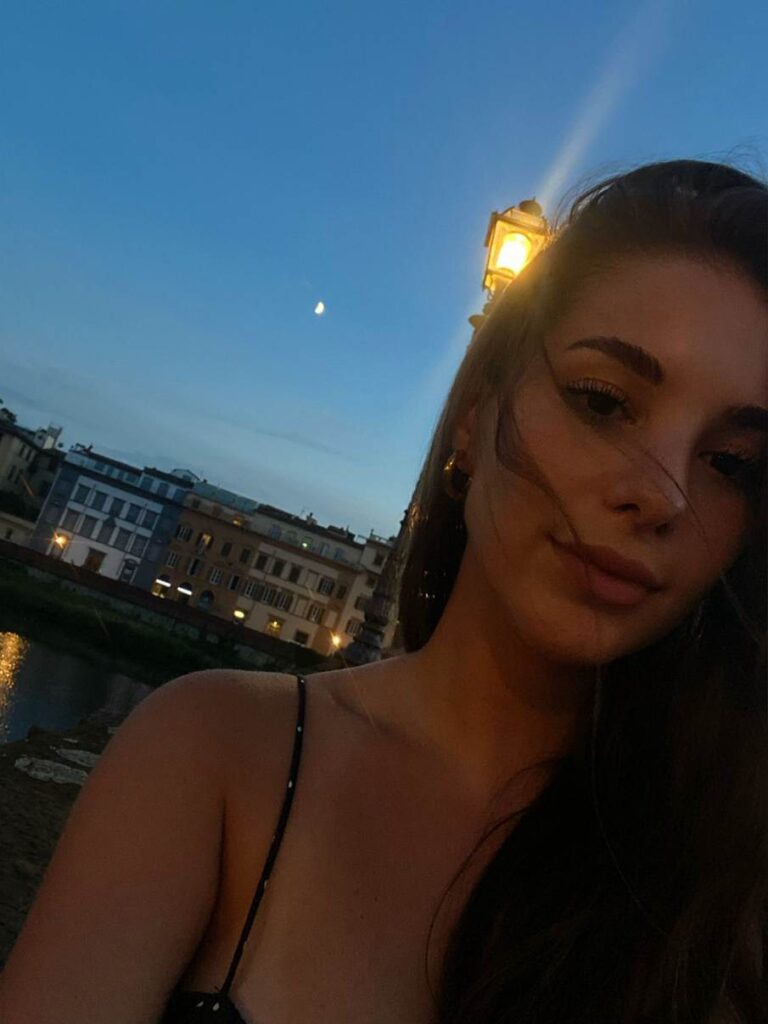
Like the two fingers in The Creation of Adam that almost touch, yet never quite do, I feel that my life will always be made of “almosts” — and that feeling resembles my own endless search.
Rome, thank you. Thank you for preparing my heart for passion and my soul for greater freedom. You are not a city; you are a feeling. And somewhere inside that feeling, I am still a little drunk.