


As the fashion world steps into the summer of 2026, two seemingly opposing desires meet on the same aesthetic horizon: the boundless expressive possibilities offered by technology, and a renewed longing for nature, simplicity, and serenity. One of the strongest protagonists of the season is, without question, digitally printed fabric.
Digital printing, which allows patterns to be transferred directly from the digital screen onto fabric without the need for traditional moulds or screens, has carried fashion’s visual language into a freer, more detailed, and more imaginative realm. High-resolution photographic effects, watercolor transitions, intricate botanical illustrations, and contemporary geometric forms now come alive on textile surfaces with greater clarity, depth, and emotional impact.
Today, digitally printed fabrics are no longer confined to special design pieces. Their presence extends from dresses and T-shirts to curtains, upholstery fabrics, and interior textiles. Direct-to-garment and direct-to-film printing on cotton surfaces — DTG and DTF — have also become essential components of this transformation.
In traditional printing techniques, each color often requires a separate screen or mould. In digital printing, however, the only true boundary is the designer’s imagination. This creative freedom appears on the 2026 runways in the form of hyper-realistic nature motifs, three-dimensional digital graphics, and visually immersive surface designs.
The New Face of Sustainability: “Green” Fashion
The rise of digital printing cannot be explained through aesthetics alone. This technology also opens a striking new field within fashion’s ongoing search for sustainability.
Compared with conventional methods, digital printing can reduce water consumption by up to 90 percent. Since dye is applied only in the required amount and only where it is needed, unnecessary waste is significantly minimized. In addition, its ability to support local production and accelerate sampling processes contributes to a reduction in logistics-related carbon emissions.
In this sense, digital printing is not merely a technical innovation within 2026 fashion. It is also becoming a symbol of a more conscious, more measured, and more responsible understanding of production.
The dyes used in digital printing are also taking their place in the market in harmony with this responsible production philosophy. In Turkey, particularly in leading digital printing facilities, the dyes and chemicals used during production consist of colorants that are harmless to human health and have passed organic inspection and safety procedures. As a country competing within the global textile printing industry, it is especially gratifying to see Turkey positioned among the leading players in terms of clean, healthy production and high-quality output that complies with international standards.
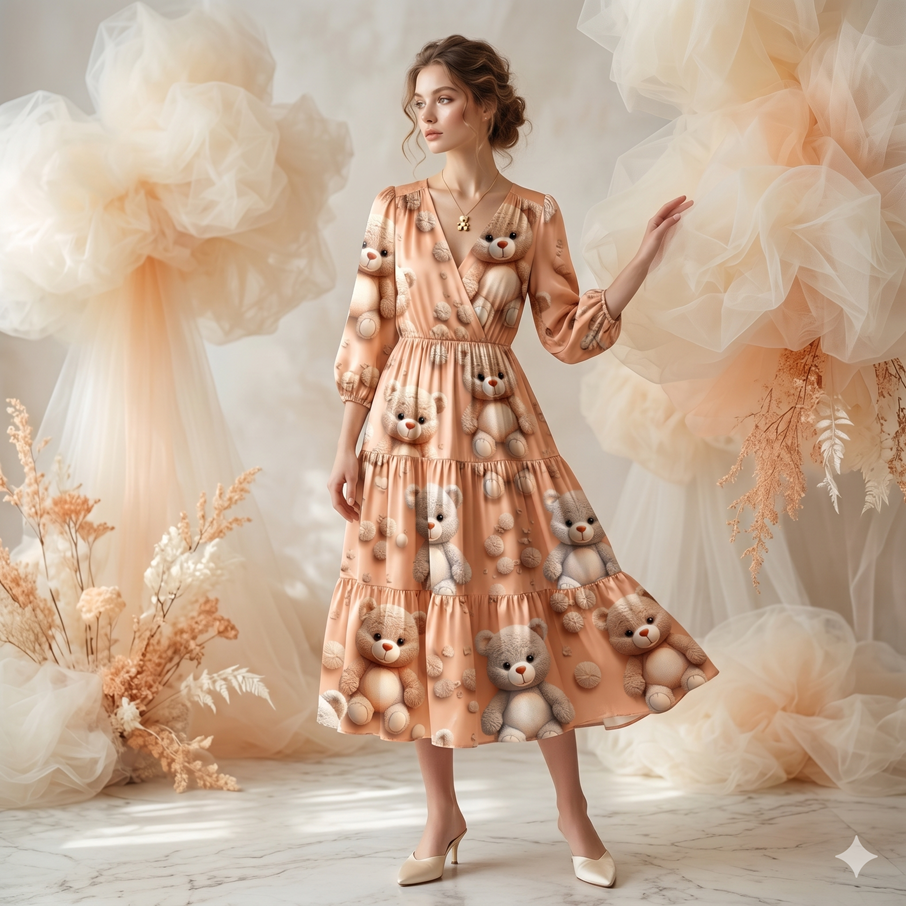
In today’s world, the fact that fabrics touching the skin throughout daily life can be made of 100 percent cotton is itself a form of luxury. As we indulge in this tactile universe — swimming through oceans of color, texture, and pattern — one particular shade rises to prominence in 2026.
The Spiritual Refuge of 2026: Pantone Cloud Dancer
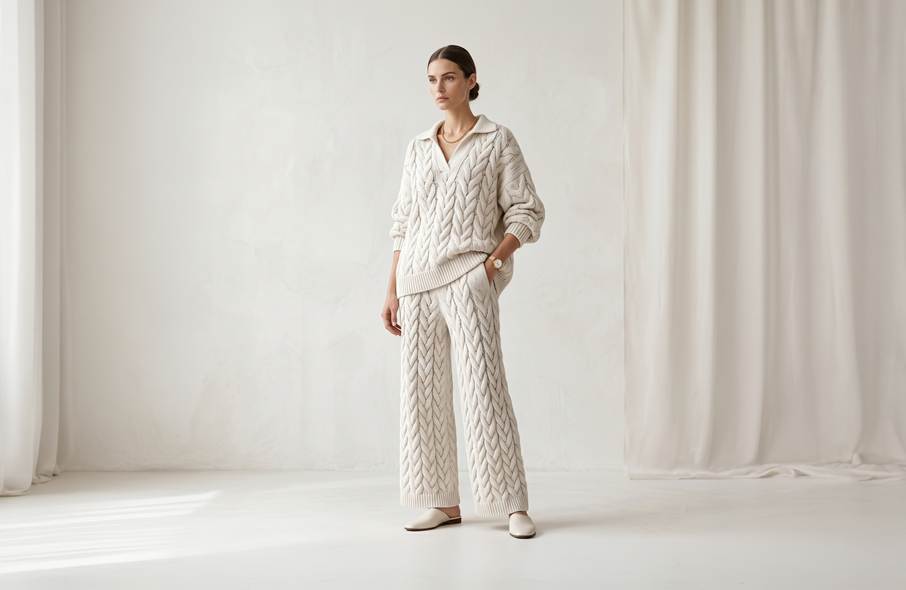
The fashion atmosphere of 2026 carries within it a desire for calm that seems to answer the speed of digitalization. The chromatic expression of this mood is Pantone’s 2026 Color of the Year: Cloud Dancer 11-4201.
Cloud Dancer is far more than an ordinary off-white. It is a soft, breathing, gently warmed tone that evokes stillness and repose. In a world growing increasingly complex, it represents a pause, a moment of mental clarity, and the possibility of a new beginning.
On the fashion stage, this color emerges as one of the most refined interpretations of the Quiet Luxury aesthetic. From cotton summer dresses to fine knits, from linen-like textures to fluid silhouettes, Cloud Dancer becomes the key to an effortless yet sophisticated elegance.
Why Are We Returning to Soft Colors?
After several years dominated by neon shades, glossy digital hues, and high-contrast palettes, the fashion world is shifting in 2026 toward a calmer and more organic frequency. Several powerful forces lie behind this transformation.
First, constant screen exposure and the accelerated flow of information have pushed both the eye and the mind toward quieter tones. Colors such as sage green, sand beige, and Cloud Dancer respond to this collective desire for visual and mental detox.
Soft and natural tones also align closely with the perception of sustainability. Timeless colors strengthen the feeling that a garment is not made for a single season, but rather for a long life within the wardrobe.
Another decisive factor is the desire to return to nature. As the traces of the post-pandemic era continue to be felt, colors that recall earth, sky, and natural textures bring feelings of trust, simplicity, and peace back into the language of fashion.
The Defining Patterns of Summer 2026
In the summer of 2026, patterns acquire a more striking and multi-layered appearance through the technical possibilities of digital printing. On the runways, nostalgic references and modern interpretations intertwine with ease.
Hyper-Realistic Nature
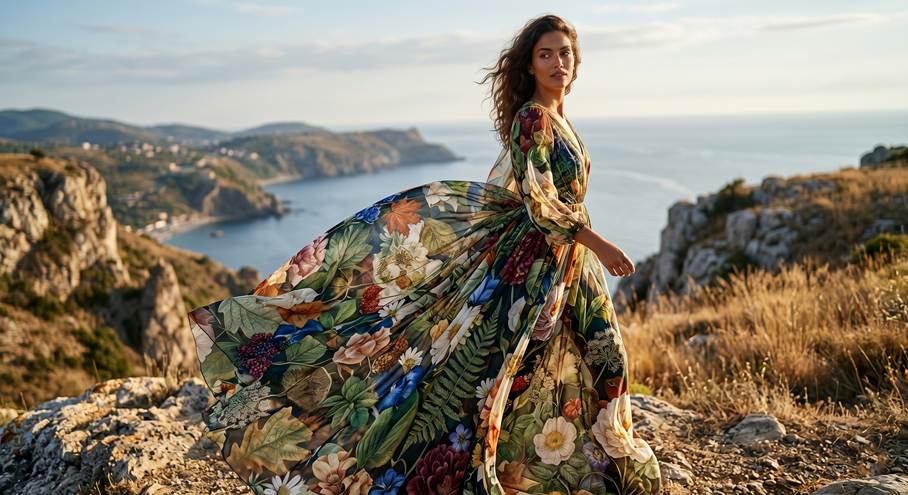
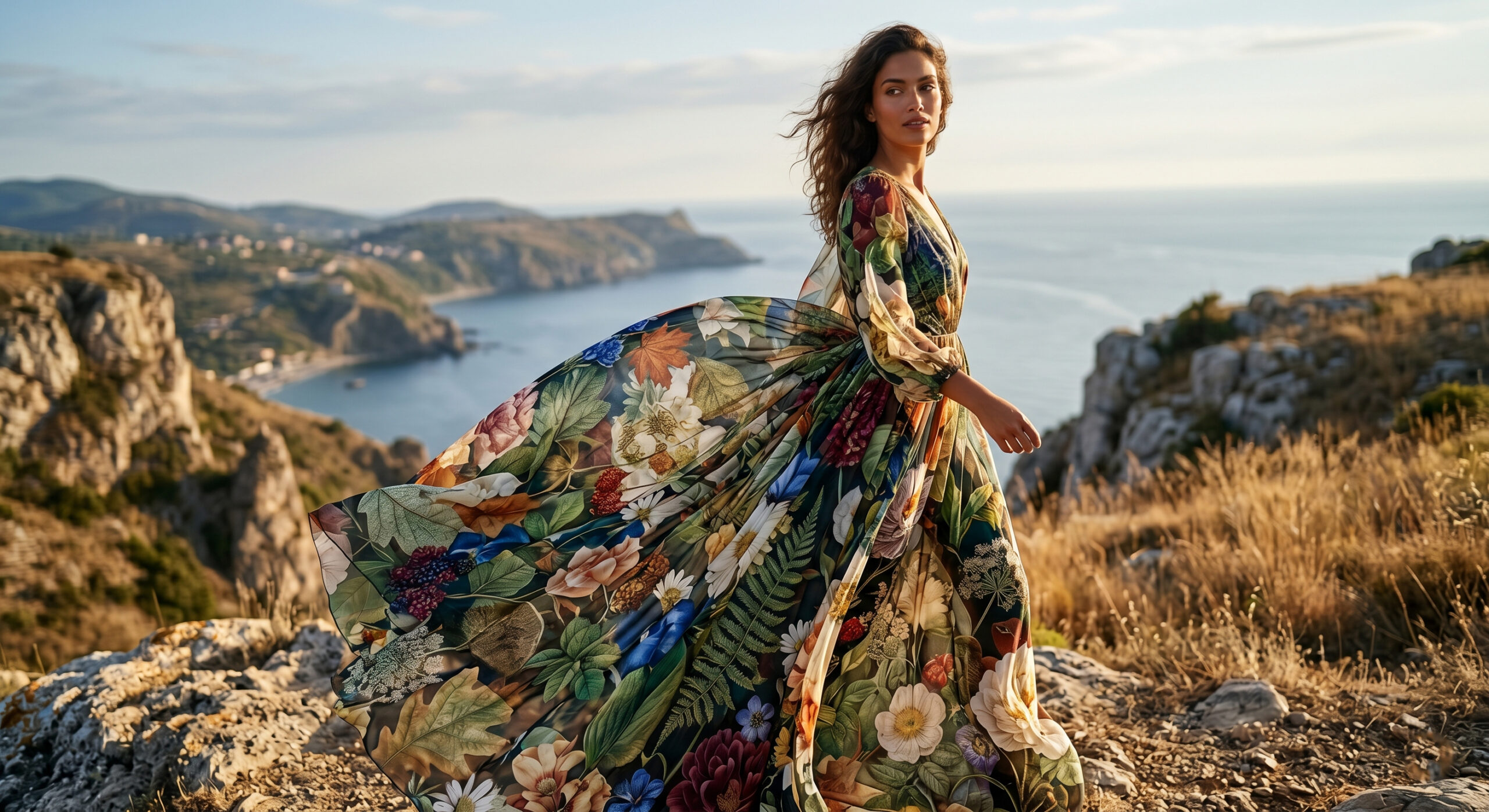
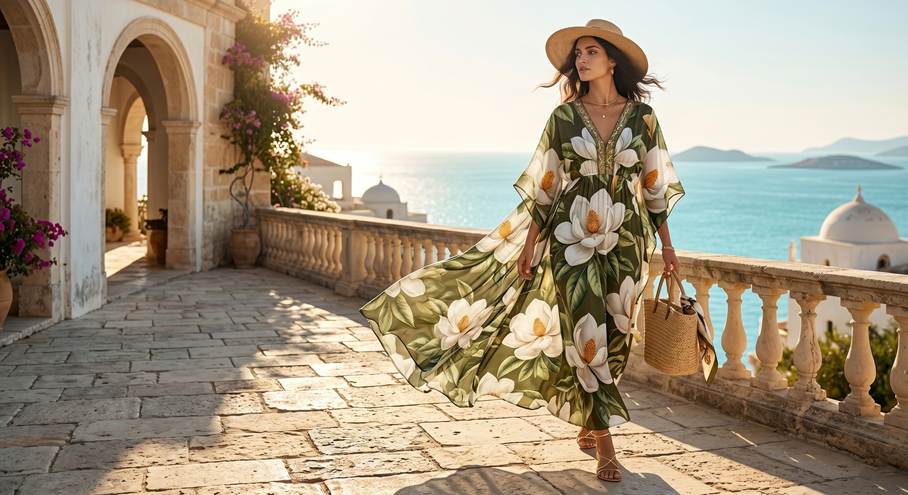
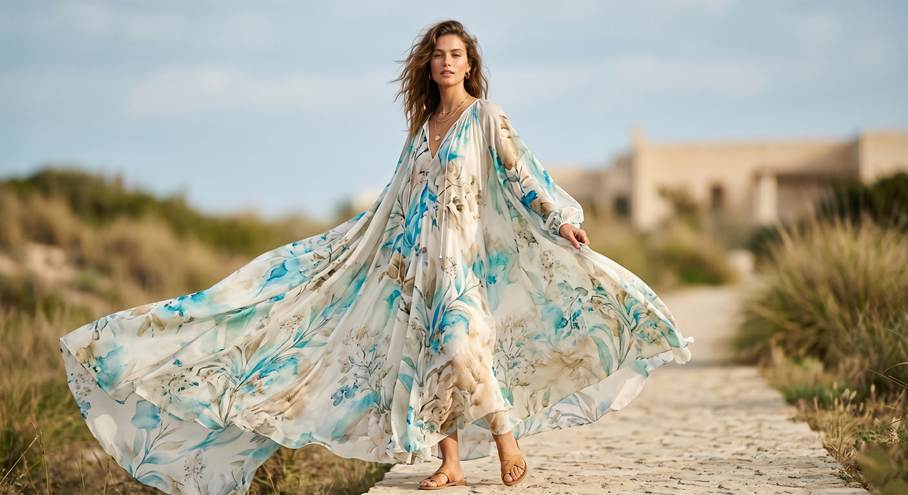
This season, flowers are not treated merely as romantic motifs. Instead, they are rendered with an almost scientific precision. Leaf veins, microscopic surface textures, and three-dimensional botanical illustrations are transferred onto fabrics with the sharpness and depth made possible by digital printing.
Modern Polka Dots
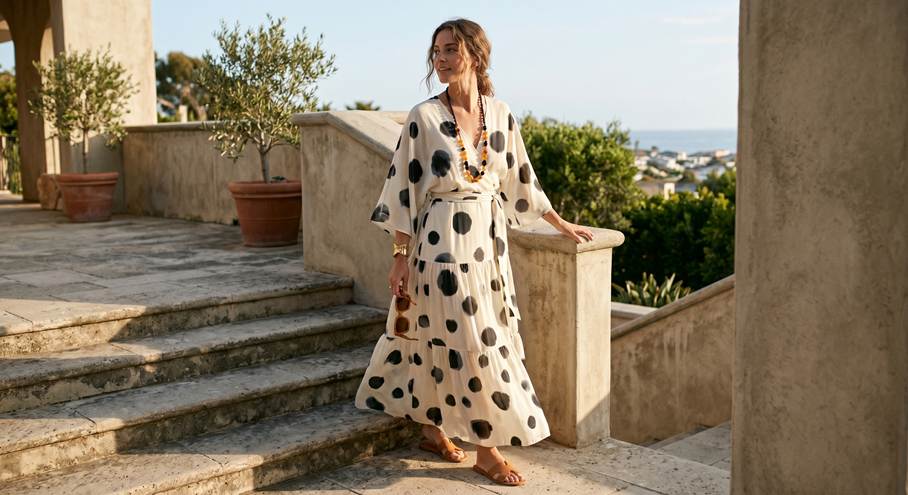
The classic polka dot returns in 2026 with a freer, bolder attitude. Neatly arranged miniature dots give way to irregular Dalmatian-like forms, oversized interpretations, and more graphic compositions.
Zebra and Wild Safari
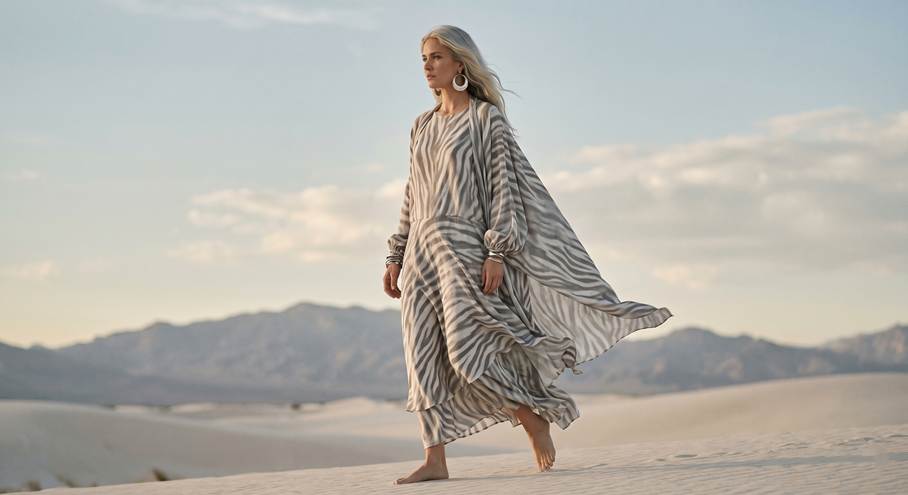
Animal prints are reinterpreted this summer through a softer aesthetic lens. Zebra stripes, in particular, gain a more refined and urban character when placed over Cloud Dancer and combined with gentle pastel greys.
Sea-Breeze Motifs
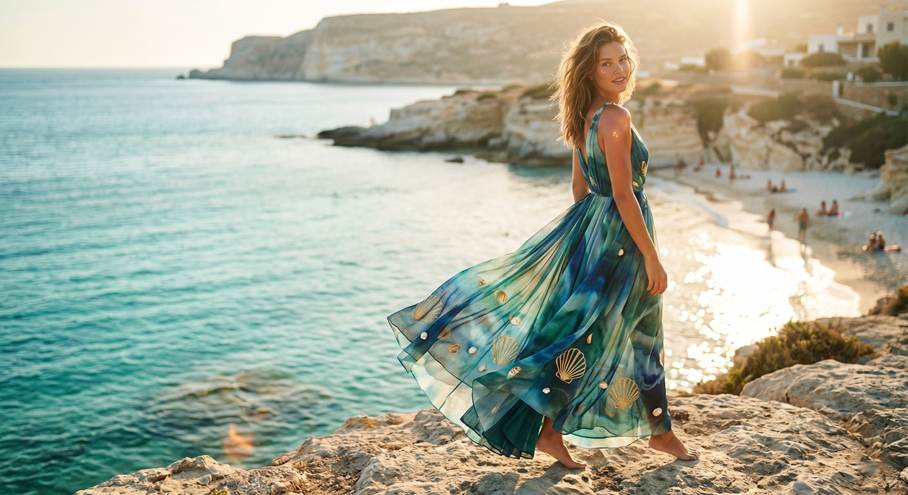
Shells, rope patterns, and watercolor-inspired wave designs are among the freshest visual codes of the summer season. These motifs appear especially on fluid chiffon dresses, lightweight fabrics, and holiday wardrobes.
Geometric Minimalism
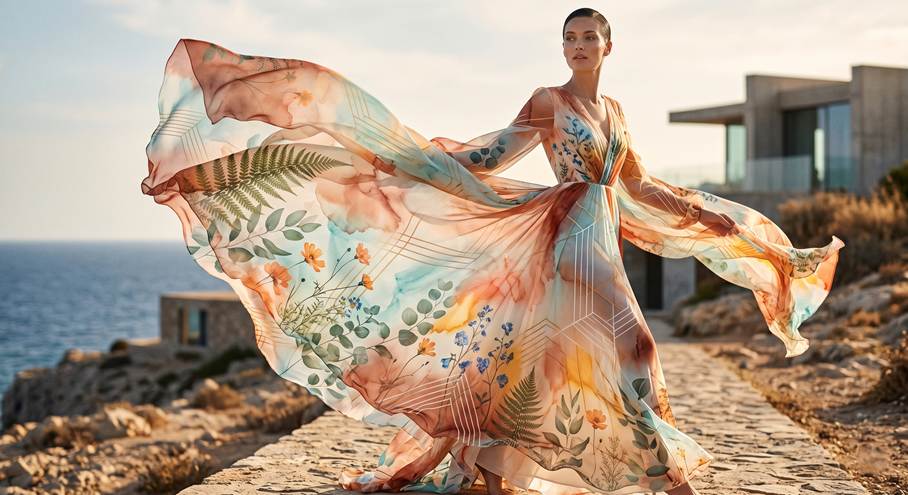
Labyrinth-like surfaces created with delicate lines, as well as updated versions of 1970s retro geometry softened through muted palettes, represent the more modern and architectural side of the season.
Conclusion: Elegance Through Technology
Summer fashion 2026 carries two powerful emotions at once: technological audacity and emotional serenity. While the richness of detail offered by digital printing makes the world of patterns freer and more expressive, soft tones such as Cloud Dancer lend fashion a calmer, more timeless, and more sophisticated direction.
This season, fabrics are not merely worn. They narrate the spirit of an era, the renewed bond with nature, and the modern human desire for simplicity.