


Hello everyone!
With spring slowly arriving, the air is warming, and nature’s beauty – blossoming flowers included – begins to reveal itself step by step.
As I mentioned in previous pieces, we’re adapting to life with a baby, and as parents my spouse and I are adding new experiences to the life we’re building at home. On this lovely journey, as our daughter’s awareness grows, we’re gaining brand-new experiences as a family of educators.
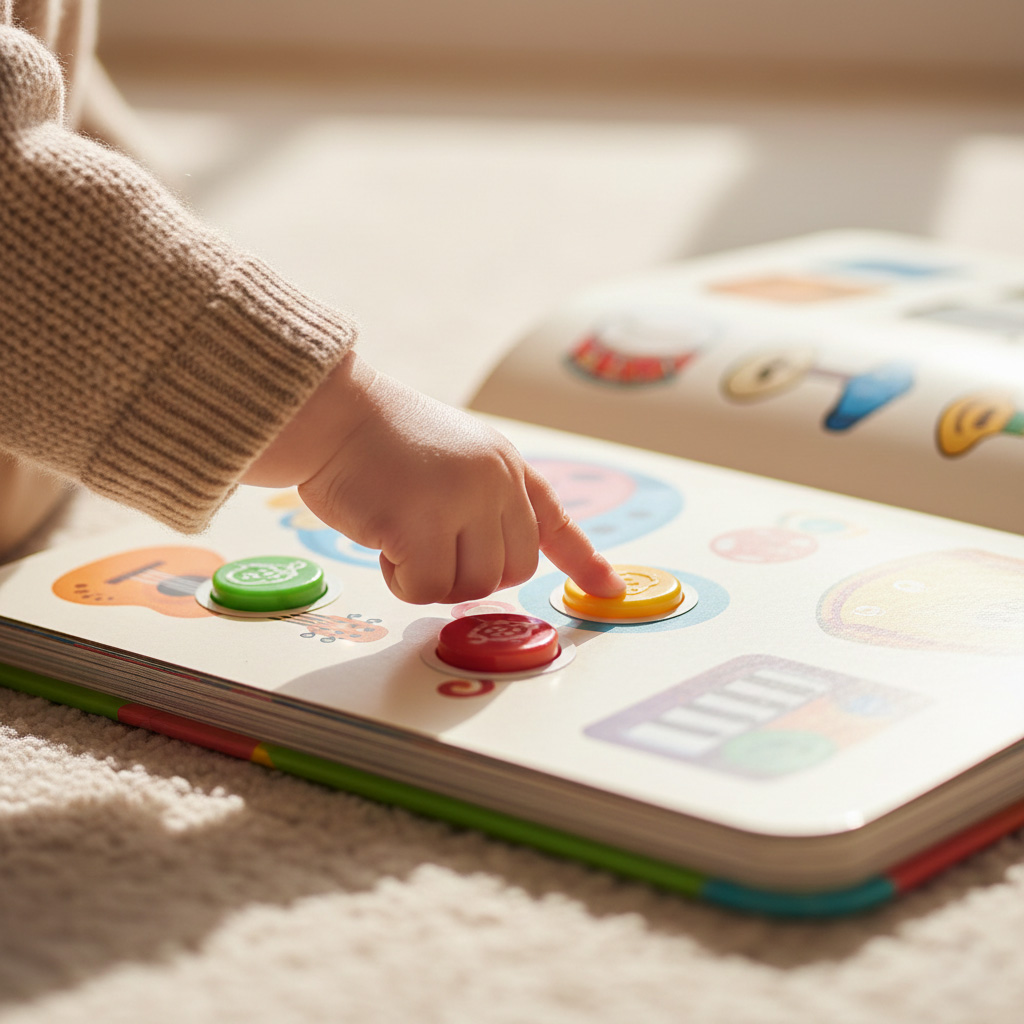
We learn so much from her – and whatever our age may be on paper, we keep growing. In earlier articles, I wrote about how music affects babies in the womb and how it supports development during the first years of life. Both in my professional life as an educator and in my own personal journey, I’ve always talked about music’s teaching power and its calming influence. During a trip we took a few months ago, we picked up a wonderfully instructive book. It’s a magnificent baby-and-children’s book inspired by Antonio Vivaldi’s The Four Seasons – narrated, colourful, sound-enabled, embossed, beautifully printed, and illustrated with animals. Even we were captivated as we read it to our daughter. On each page, there was a gentle bridge to the next, along with tactile sound buttons. The sound effects carried excerpts from the original piece itself.
A quick note: Antonio Vivaldi was an Italian composer.
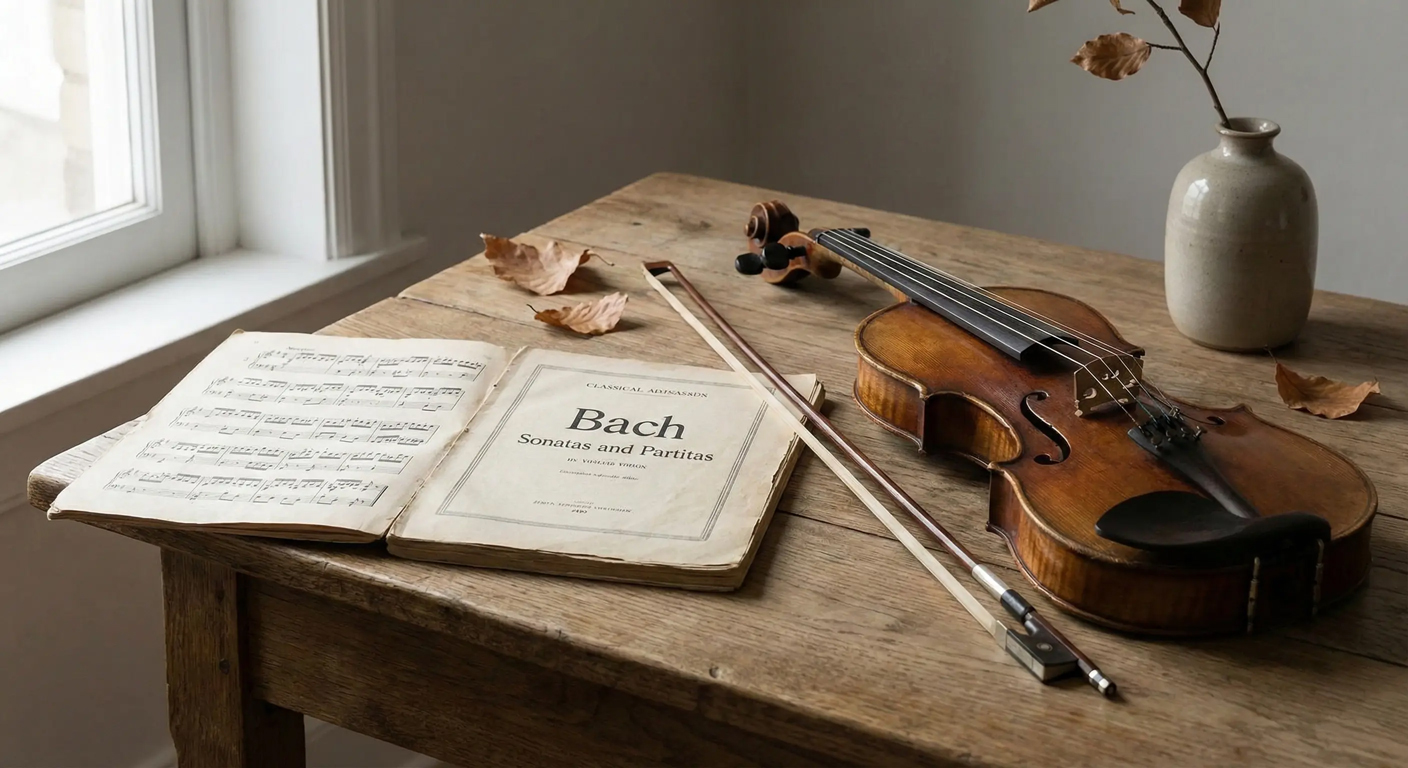
He wrote an extensive repertoire – concertos and many works for violin, orchestra, and solo instruments – pieces that feel almost designed to showcase virtuosity. The Four Seasons unfolds in four parts. Composed in 1725, it’s one of classical music’s best-known – and most descriptive – works. It consists of four separate violin concertos, each representing a season.
1. Spring (La Primavera) – E Major.
It heralds nature’s awakening, the chirping of birds, and the opening of flowers.
- I. Allegro
- II. Largo e pianissimo sempre
- III. Allegro pastorale
2. Summer (L’Estate) – G Minor.
Unlike the other movements, it carries a more tense, stormy atmosphere; it tells of summer’s scorching heat and the sudden storms that burst forth.
I. Allegro non molto
II. Adagio e piano – Presto e forte
III. Presto
3. Autumn (L’Autunno) – F Major.
The joy of harvest time takes centre stage.
I. Allegro
II. Adagio molto
III. Allegro
4. Winter (L’Inverno) – F Minor.
The harshness of cold weather – its difficulty – is poured into the notes.
I. Allegro non molto
II. Largo
III. Allegro
As we read and explored the book with our daughter, we noticed how she kept zeroing in on Winter – the first movement, Allegro non molto, in particular. (Coincidence? Genetics? Even I can’t say 🙂 But it’s also one of my favourite parts.)
She kept opening the page with that movement and pressing the sound button again and again. At first, we thought it was simply the story and visuals on that page. But then… That same evening, while we were strolling through the streets of the city we were visiting, a melody began to pull us toward it – through that foggy, sharp air of -4 to -5°C. (As you know, when you travel you often come across street musicians – and some truly high-quality performances.) And there it was: Vivaldi’s The Four Seasons, Winter, Allegro non molto – this time coming from an accordion… Seeing the excitement of a two-year-old, watching her wait to get closer to the music, astonished us. We witnessed a wonderful performance in the cold. (Playing an instrument in freezing weather isn’t comfortable. Muscles need to warm up, and the instrument ideally needs to be at a certain temperature (room temperature) for sound quality and performance wellbeing.)
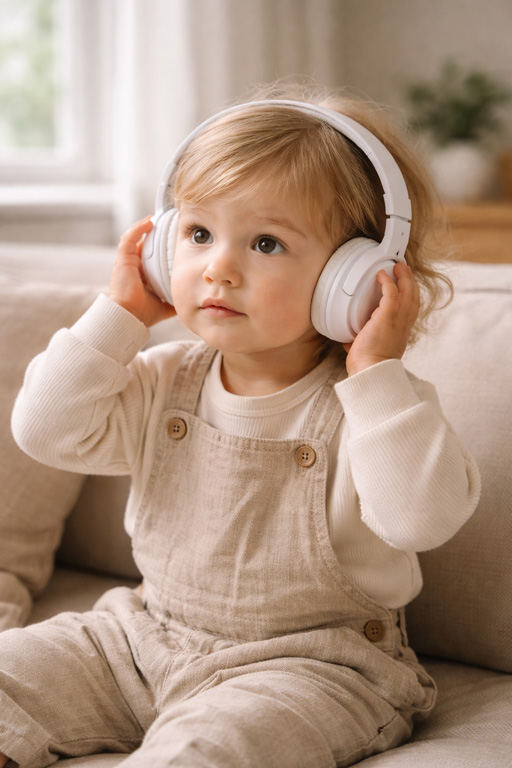
All of us, as a family, were mesmerised. A piece usually performed by violin was being given voice by an accordion. That night – and for days after – our daughter kept imitating the musician’s movements, and she grew even more interested in that particular page of the book we’d bought. It was as if we’d tried to teach her this on purpose: the music and images from the book had come alive in real life. I’m sharing this because it’s a reminder of how quickly young children can learn – and how strongly music, and witnessing a live performance, can imprint on memory. When we talk about the importance of letting children listen to “classical music,” to “quality music,” what matters most is weaving it into the rhythm of ordinary life. Rather than making it dull or treating it like a task, we can use music as a companion – to play, to story, to journey. If you have little ones at home, or if you’re a parent, you can bring classical music into your life by turning it into a story.
Just imagine: if a child looks at you and says, “That’s Vivaldi playing,” and you haven’t done anything special for it – then that’s real listening, real learning.
I wish everyone a season filled with health, happiness, and music.