


A breast lift with implants is about much more than making the breast larger. It is a conversation between volume, skin quality, nipple position, chest proportions and the overall silhouette of the body.
Doctor, what does a breast lift with implants actually change?
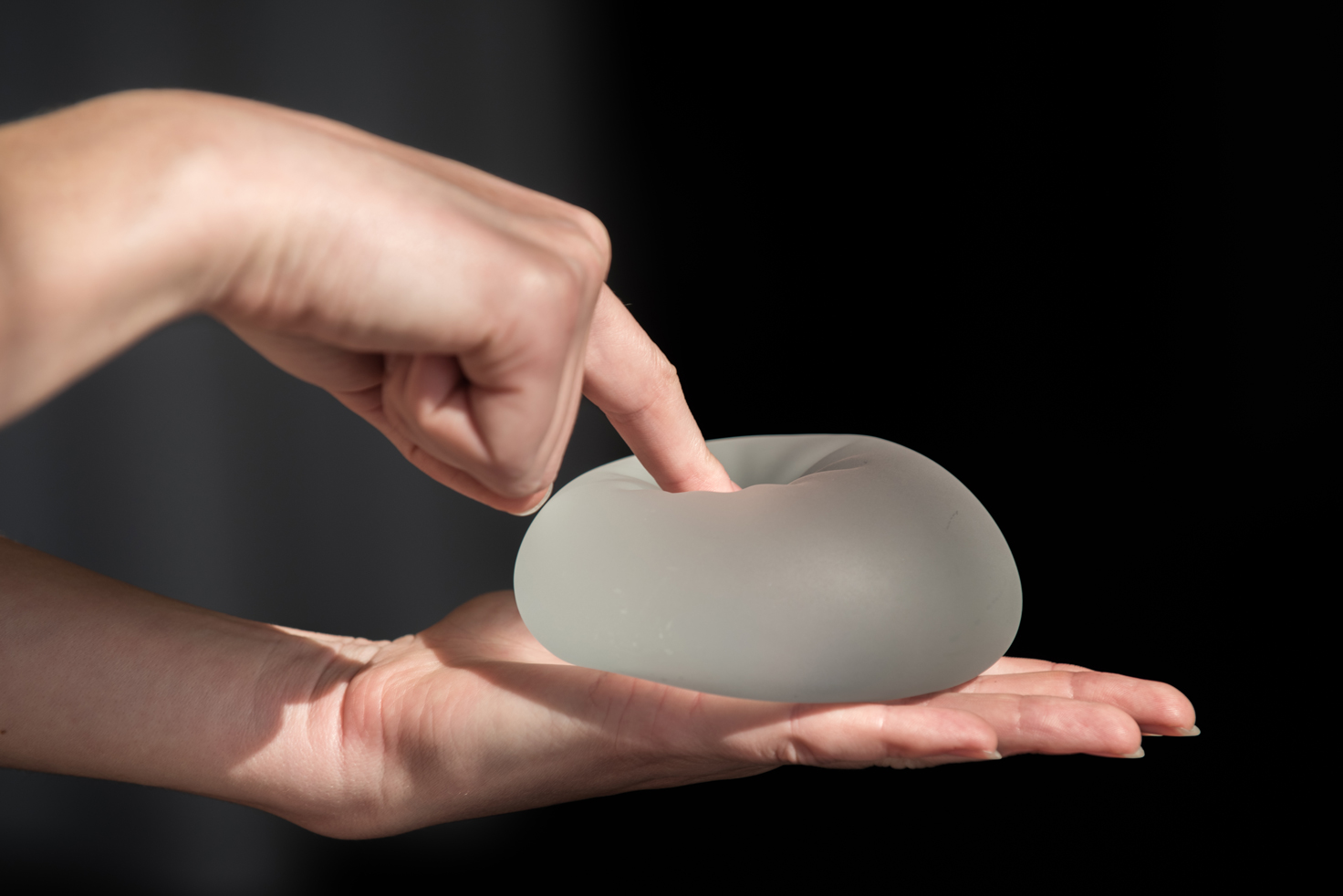
This operation addresses two changes at the same time: loss of volume and descent of the breast. Medically called augmentation-mastopexy, it combines a breast implant with a lift. Excess skin is tightened, the nipple is repositioned to a more natural height and the implant restores fullness where the breast has deflated. The goal is not simply a bigger breast. The goal is a breast that looks younger, firmer, better supported and more harmonious with the body’s proportions.
Why is this not just a breast augmentation?
Because a sagging breast has usually changed in more than one way. It may have lost volume, but the skin envelope may also be loose and the nipple may be pointing downward. If we only place an implant in this situation, the breast may become larger without becoming truly lifted. In some patients, it may even look heavier. The lift corrects the envelope and nipple position; the implant provides volume. Together, they rebuild the architecture of the breast.
Why do breasts lose fullness and drop over time?
The breast is influenced by skin elasticity, glandular volume, connective tissue and gravity. Pregnancy, breastfeeding, aging, weight fluctuations, genetics, skin quality and rapid weight loss after bariatric procedures can all contribute to deflation and sagging. Over time, the breast may lose its upper fullness, the skin may stretch and the nipple may begin to point downward. In a poetic sense, the breast records the story of the body. Surgery aims to restore balance to that changing story.
Who is a good candidate for breast lift with implants?
A good candidate is physically healthy, close to a stable weight, properly evaluated for smoking status and medical conditions, and emotionally ready for surgery. Patients often seek this procedure when the breasts look deflated, flat or low, when the nipples point downward, when bras no longer create the desired shape or when there is asymmetry in volume and sagging. The best reason to consider surgery is not to match someone else’s image, but to feel more at home in your own body.
What do you evaluate during the first consultation?
The first consultation is the map of the surgery. I assess breast base width, nipple position relative to the fold, skin quality, tissue thickness, chest wall shape, asymmetry, shoulder-waist-hip proportions and lifestyle. Previous pregnancy, breastfeeding, weight change or breast surgery also matter. The same implant can look completely different in two different bodies. That is why planning should never be a template. It should be a personalized map built around the patient’s own anatomy.
How is implant size chosen? Is it only about cup size?
No. Implant choice is not simply a question of ‘how many cc’. Chest width, existing breast tissue, skin elasticity, degree of sagging, the desired level of naturalness and the patient’s lifestyle all guide the decision. A larger implant is not automatically a better result; in weak tissue, too much volume can become a long-term burden. My approach is to choose an implant not as an object that dominates the body, but as a refined support that completes the body’s proportions.
Can the same implant or technique be used for every patient?
Absolutely not. One of the biggest mistakes in aesthetic surgery is trying to fit every patient into the same mold. Some patients need subtle upper-pole fullness; others need more projection. Some have tissue that covers an implant beautifully, while others require a more conservative plan. Implant shape, size, surface, placement and the lift pattern are all individualized. A successful breast surgery is not about following the trend. It is about finding what belongs to that specific body.
Where is the implant placed?
The implant can be placed under the breast tissue, under the muscle or in a dual-plane position that uses both muscle and breast tissue relationships. The choice depends on tissue thickness, degree of sagging, chest wall anatomy and the desired aesthetic result. In a thin patient, it may be important to avoid visible implant edges. In a patient with thicker tissue, another strategy may be appropriate. Implant placement is not just a technical detail; it is a design decision that affects long-term naturalness.
How is the new nipple position planned?
Nipple position is one of the most delicate parts of a breast lift. The goal is not simply to move the nipple higher. It must sit in a natural, forward-looking and symmetrical position that matches the new breast shape. A nipple placed too high can look artificial; one left too low can reduce the effect of the lift. Measurements are important, but so is the surgeon’s aesthetic eye. The nipple is a small detail that can change the entire expression of the breast.
What should patients realistically know about scars?
A breast lift is a surgery with scars, and this should be stated honestly. Scars may be placed around the areola, vertically down the breast and, when necessary, within the breast fold. The aim is to hide them in natural transitions and creases as much as possible. They can look more visible in the first months, then usually soften and fade over time. The promise should never be ‘no scar’. The promise should be the best possible shape with the most thoughtful scar plan.
What happens during the surgery?
The operation is performed under general anesthesia. Through the planned incisions, excess skin is removed, the breast tissue is reshaped and the nipple is repositioned to a natural height. The selected implant is then placed in the chosen pocket to restore volume. If the areola has widened, it can also be reduced. The procedure generally takes a few hours, depending on the degree of sagging, technique and any additional details. The goal is not speed; it is safe and balanced reconstruction of form.
What are the first night and first week like?
Most patients stay in the hospital for one night. In some cases, small drains may be used and are often removed early in the recovery process. During the first days, pressure, tightness and mild-to-moderate swelling are expected. Pain is usually managed with prescribed medication. The first week is about being gentle with the body: sleeping on the back, avoiding strong arm movements, following the medication plan and attending scheduled checks. Good recovery is a partnership between surgery and postoperative care.
How long is the surgical bra used, and when can daily life resume?
A special surgical bra is used after the operation. It supports the breast, helps control swelling and creates a safe framework while the implant and tissues adapt to each other. The basic period is often around three weeks, but the exact duration depends on the patient and the surgeon’s examination. Many patients can return to desk work and light social life in about one week. Exercise, heavy lifting and intense arm activity should return gradually and only with medical clearance.
Does this surgery affect pregnancy or breastfeeding?
Breast lift with implants does not generally prevent pregnancy. Breastfeeding may still be possible for many patients, but no breast surgery can promise unchanged milk production for everyone. Any surgery involving breast tissue can affect lactation differently from person to person. If a patient is planning pregnancy soon, this should be discussed before surgery. For many women, the most predictable time for breast rejuvenation is after pregnancy and breastfeeding, once the breast tissue has settled into its new baseline.
When does the result settle?
The change is visible immediately, but the early look is not the final result. In the first weeks, the breasts may feel high, tight and swollen. As the tissues soften and the implant settles, the breast takes on a more natural drape. Noticeable relaxation begins within weeks, while the final shape matures over several months. Scar maturation takes longer. Patience is part of the aesthetic journey: the breast slowly teaches the body its new architecture.
Is the result permanent?
The result can last for many years, but no aesthetic surgery stops time. Aging, gravity, weight changes, pregnancy, breastfeeding and skin quality can influence the future breast shape. Still, a well-planned breast lift with implants usually prevents the patient from returning to the original preoperative appearance. Over the years, there may be a natural softening rather than a full reversal. Stable weight, supportive bras, good skin care and regular follow-ups all help protect the result.
What should patients know about implant safety and follow-up?
Breast implants are medical devices and should not be thought of as lifelong objects that never need attention. Patients should continue routine breast health screening, tell the imaging center that they have implants and maintain regular follow-ups with their surgeon. Sudden swelling, persistent pain, shape change, hardening, a new lump or unexpected fluid collection should be evaluated without delay. The goal is not anxiety; the goal is awareness. Living with implants should be informed, monitored and safe.
What makes the result look natural and elegant?
A natural result comes from giving the tissue the amount of volume it can gracefully carry. A large implant may be technically possible, but if it does not belong to the body, it will not look beautiful. The nipple must be in the right position, the lower fold must be balanced, upper fullness should be harmonious rather than exaggerated, and asymmetries should be improved as much as possible. For me, a good result does not shout ‘surgery’. It quietly adds confidence to posture, clothing and self-image.
Any special advice for the summer season?
The procedure can be planned in summer, but the holiday calendar must be realistic. In the first weeks, patients should avoid the sea, pool, sun exposure and intense activity until healing is appropriate. Scar protection from the sun is especially important because new scars can darken. Rather than having surgery immediately before a holiday, it is wiser to allow enough time for recovery. Fashion follows the season, but surgery follows the rhythm of tissue healing.
How would you summarize this operation for Vox readers in one sentence?
Breast lift with implants is a personalized reshaping surgery that restores lost volume and repositions the breast form at the same time, aiming for a younger, firmer and more balanced silhouette. The purpose is not to give everyone the same breast. The purpose is to create a result that fits the patient’s anatomy, lifestyle and aesthetic language. The most beautiful result looks less like an addition and more like a proportion the body had been waiting to find.