



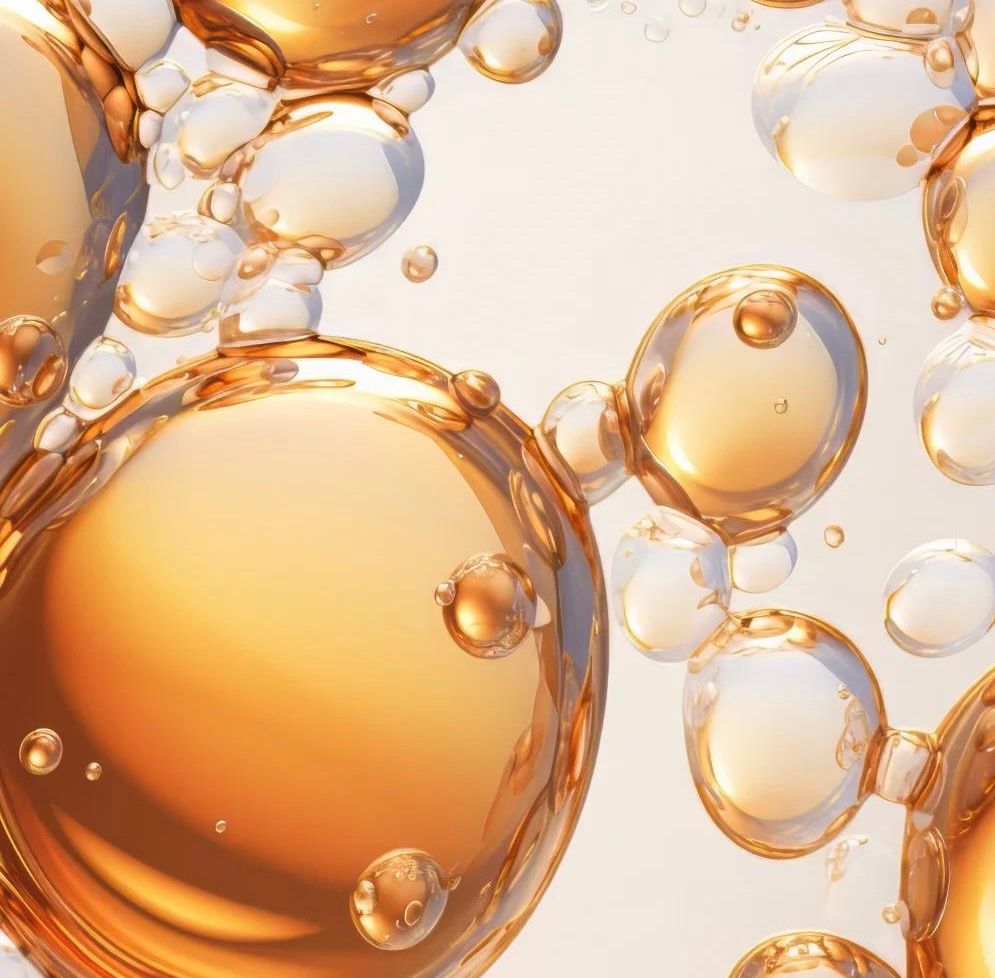
I would like to talk about the popular application of recent years, EXOSOME .
These applications, considered to be a continuation of stem cell technologies, are referred to as the holy grail of the new period. So, what is this EXOSOME?
Cells are biological units that are in interaction with their outer environment. A cell leaves its intracellular wastes out of the cell in small vesicles. We have known this process for years. What we have recently noticed is that cells prepare vesicles rich in proteins, genetic materials, and fats and release them to the external environment to influence their distant or close environments.
These vesicles that have the potential to influence other cells are called exosomes.
How are Exosomes useful?
One of the areas in which science is interested these days is the duties of these exosomes and their potential areas of use.
Exosomes can be expressed by many cell types. These potential cells obtained in stem cell laboratories are proliferated, and exosome stripping is performed; we predict that these exosomes can be used for many purposes ranging from wound healing to the treatment of diseases, from cancer therapies to rejuvenation, which is our favorite subject as plastic surgeons.
The use of exosomes for plastic surgery purposes is divided into two parts: aesthetic and repairing. Repairing treatments can be expressed mostly as wound healing and treatment of burns.
The carrying property of exosomes between these cells can be depicted as a shipment it sends to another cell for assistance. This feature also shows that exosomes prepared in laboratory conditions can be used as a transportation vehicle by placing healing molecules in them, and we are still at the onset of their incredible potential.
Exosomes for aesthetic purposes
Up to this point, I have tried to make a general summary of the subject. Now, I will mention the main purpose of my study.
It has been demonstrated that thanks to the proteins, genetic materials (DNA and RNA), and other molecules they carry inside them, exosomes can slow down cell ageing and accelerate cell renewal.
As I said before, we now not only show that exosomes are produced in the body but also reproduce them in reactors in laboratories, and by loading specific molecules that have the desired effect in them and using them as a vehicle, we can use them to slow down ageing in the tissue we target and provide rejuvenation.
There are reports demonstrating that exosomes can be used as an antiaging agent against the ageing of the skin. And imagine that this is a field that resembles the infancy period of a newborn.
In my book titled “A WORLD WITHOUT FILTERS IS POSSIBLE,” I have pointed out that exosomes are the main instruments used in rejuvenation studies. We will wait and see what is expecting us.