



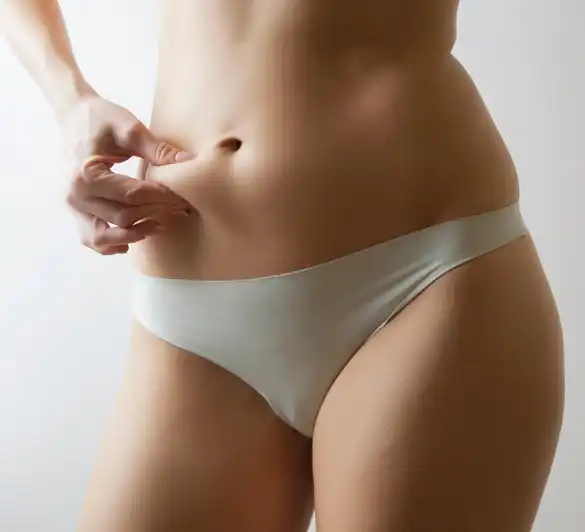
The Untold Facts About Liposuction
Liposuction is a form of sculpture. Often referred to abroad as liposculpture, this procedure may remove stubborn fat—but the real transformation is the one you create afterward.
The popularity of plastic surgery continues to rise. In 2017, approximately 17.5 million surgical procedures were performed worldwide—an increase of about 2% compared to the previous year. Specifically for liposuction, this corresponds to nearly a quarter of a million procedures, marking a 5% increase from the previous year. With its growing demand, Plastic Surgeon Dr. Serdar Bora Bayraktaroğlu outlines the ten most important things you should know about liposuction.
1. What is traditional liposuction?
Liposuction, also known as liposculpture, is a surgical procedure that breaks down and removes subcutaneous fat deposits that stubbornly resist diet and exercise. As a method of reshaping the body by removing fat, it truly resembles an art of sculpting.
The most important thing to know: This is not a weight-loss procedure. It is a contouring treatment for healthy individuals to remove resistant fat in proportionate amounts.
2. Which areas can be treated with liposuction?
- Double chin
- Fatty neck
- Sagging upper arms
- Female breasts
- Thighs
- Bra roll area
- Abdomen
- Upper belly bulges caused by low-rise pants
- Love handles
- Male breasts (gynecomastia)
Less commonly, liposuction can also be performed on the ankles, inner thighs, and upper back. It is essential to remember that every patient has a unique pattern of fat storage. Metabolic rates respond differently to diet and exercise, which is why surgeons always ask patients which areas bother them the most.
3. Who is an ideal candidate for the procedure?
The best candidates are patients close to their ideal weight—those without excessive fat accumulation and with stable body weight. Non-smokers also fall into the ideal group.
Another key factor is good skin elasticity. Patients with significant sagging skin or severe cellulite are generally not ideal candidates for liposuction.
4. Is liposuction a weight-loss procedure? How much fat can be removed?
Contrary to popular belief, liposuction is not a weight-loss treatment. It is a fat-reduction procedure.
The amount of fat that can be safely removed in a single session varies based on several factors such as the patient’s health, the target areas, and the aesthetic goals.
5. How should patients prepare for liposuction?
Plastic surgeons provide specific pre-operative instructions to ensure a comfortable surgery and recovery:
- Arrange for a friend or relative to assist you during the first days after the operation.
- Avoid blood-thinning medications like aspirin before surgery.
- In some cases, blood tests are required to ensure suitability for anesthesia.
- Do not eat or drink anything after midnight on the night before surgery.
6. What happens during the procedure?
Liposuction is performed through small incisions in the skin using a thin instrument called a cannula. This cannula is connected to a suction device or syringe to remove fat.
Even though most patients receive general anesthesia, they are typically allowed to go home the same evening.
7. What is the recovery process like?
Most patients return to work within a few days.
Light exercise is usually allowed after 2–4 weeks, depending on the areas treated and the amount of fat removed.
Common post-operative effects include swelling and bruising. The surgical team will provide pain relief options to ensure comfort. Rest, slowing down daily activities, and adopting a healthy routine are essential for a smooth recovery. In some cases, surgeons may recommend wearing compression garments.
8. Will there be scarring after the procedure?
Because the cannula is very small, the incisions—and therefore scars—are minimal. The number of scars depends on the size of the treatment area and the patient’s skin quality. Thanks to advancements in medical technology, surgical techniques today aim to minimize trauma. You can feel confident about this aspect.
9. What results should patients expect?
Your surgeon will help you understand realistic outcomes.
Some swelling and skin looseness immediately after surgery are normal. Final results may take several weeks to appear.
The removed fat cells are gone, but the body can form new ones. Therefore, maintaining a healthy lifestyle and following a proper diet and exercise plan after treatment is essential.
10. The final note:
Medicine can only do so much—the real miracle is the one you create for yourself.