



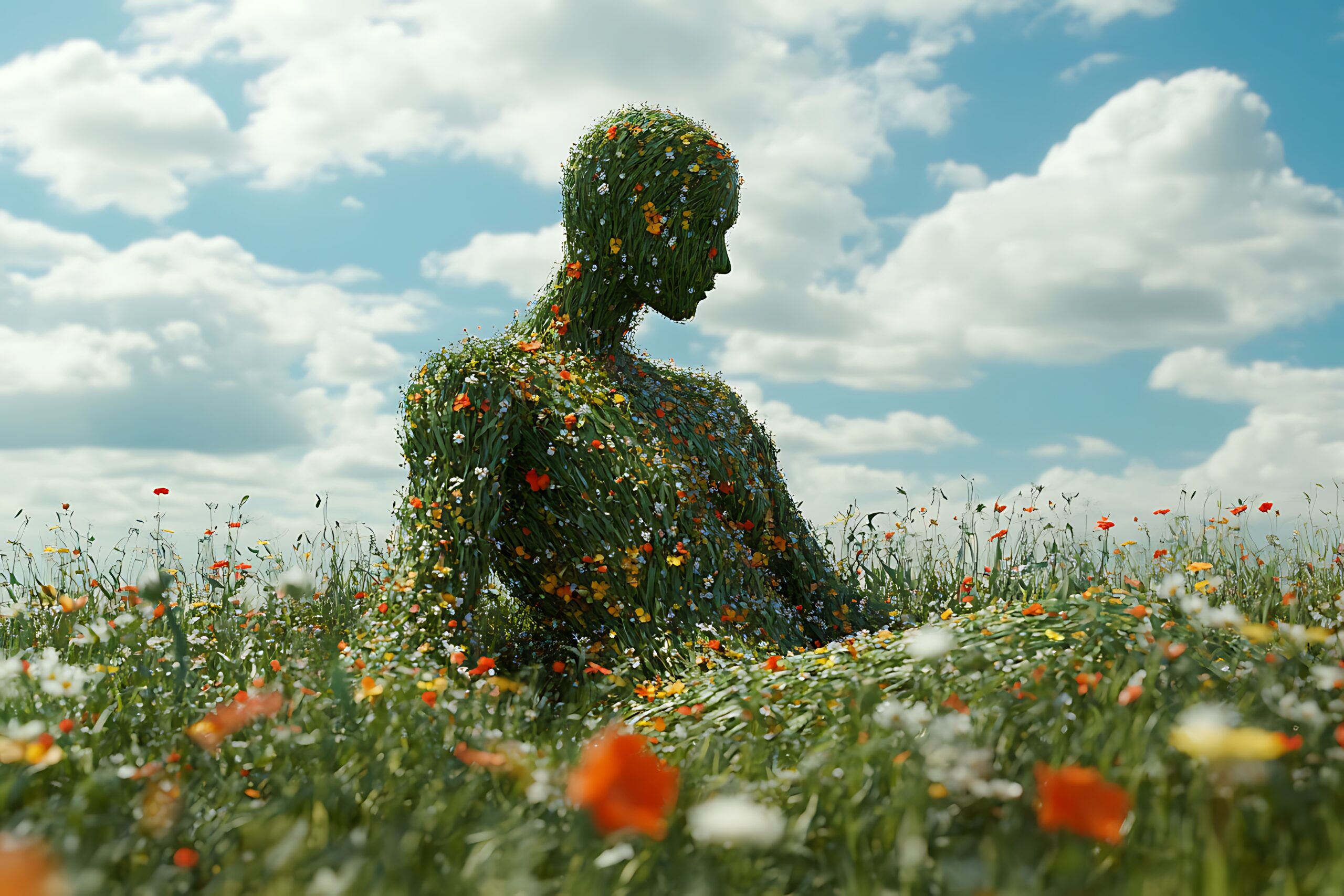
Spring has been a great source of inspiration throughout human history in various cultures and literary works as the awakening of nature and the rebirth of life. The cycle of seasons has been interwoven with the existential story of humanity; spring has become a symbol of renewal, hope, and abundance. When we look at how spring is treated in mythology and literature, it is possible to trace the deep bond humans have established with nature.
Spring in Mythology: Goddesses and Rebirth
In ancient mythologies, spring is often associated with the concepts of fertility and resurrection. One of the strongest reflections of this concept in Greek mythology is the legend of Persephone and Demeter. When Persephone is abducted by Hades, the god of the underworld, her mother Demeter, the goddess of fertility, does not bring spring to the world out of sorrow, and nature is driven into drought. Persephone spends six months of the year in the underworld with Hades, and the other six months with her mother. With Persephone’s return to the earth, nature awakens and spring arrives. This story not only explains the cycle of seasons but also emphasizes the meaning of hope and rebirth in human life.
Similarly, the story of Inanna and Dumuzi in Mesopotamian mythology is also associated with spring. Inanna is the goddess of love and fertility; with the death of her husband Dumuzi, the world is plunged into darkness. However, thanks to Inanna’s efforts, Dumuzi returns to the earth during the spring months, and nature comes back to life. This legend tells us that spring is not merely a seasonal return, but also an emotional and spiritual resurrection.
Spring in Literature: Hope, Love, and New Beginnings
Literature often addresses the return of spring in conjunction with the concepts of hope, love, and change. In Turkish literature, the joy of spring and the awakening of nature are frequently expressed in poems written by many poets such as Cahit Sıtkı Tarancı (Spring Is Coming), Orhan Veli Kanık (My Trouble Is Different), Bedri Rahmi Eyüboğlu (Spring and Us), and Can Yücel (Is It Spring).
In Western literature, romantic poets such as William Wordsworth, John Keats, and Percy Bysshe Shelley depict spring as the renewal of nature and the human soul. Especially in Wordsworth’s nature-themed poems, the liveliness and joy of spring are strongly felt. In Keats’s poem Ode to a Nightingale, spring is used as a bridge between the past and the future.
In novels as well, spring often represents characters’ new beginnings, transformations, and hopes. In works such as Leo Tolstoy’s Anna Karenina, F. Scott Fitzgerald’s The Great Gatsby, and Orhan Pamuk’s The Museum of Innocence, the arrival of spring symbolizes the changes in the characters’ emotional states. Especially in The Great Gatsby, spring is a metaphor for Gatsby’s hope for Daisy and his desire to reconstruct the past.
Conclusion: Spring, Humanity, and the Cycle of Art
Spring is a powerful symbol that reminds us that not only nature but also the human spirit exists in a cycle. Spring, shaped by the stories of goddesses and heroes in mythology, finds its presence in literature through the revival of human emotions and hopes. Whether in ancient legends or modern novels, spring has always been a source of inspiration reminding us that new beginnings, hope, and life continue. As long as humanity exists, spring will remain one of the most powerful motifs in art, literature, and mythology.