
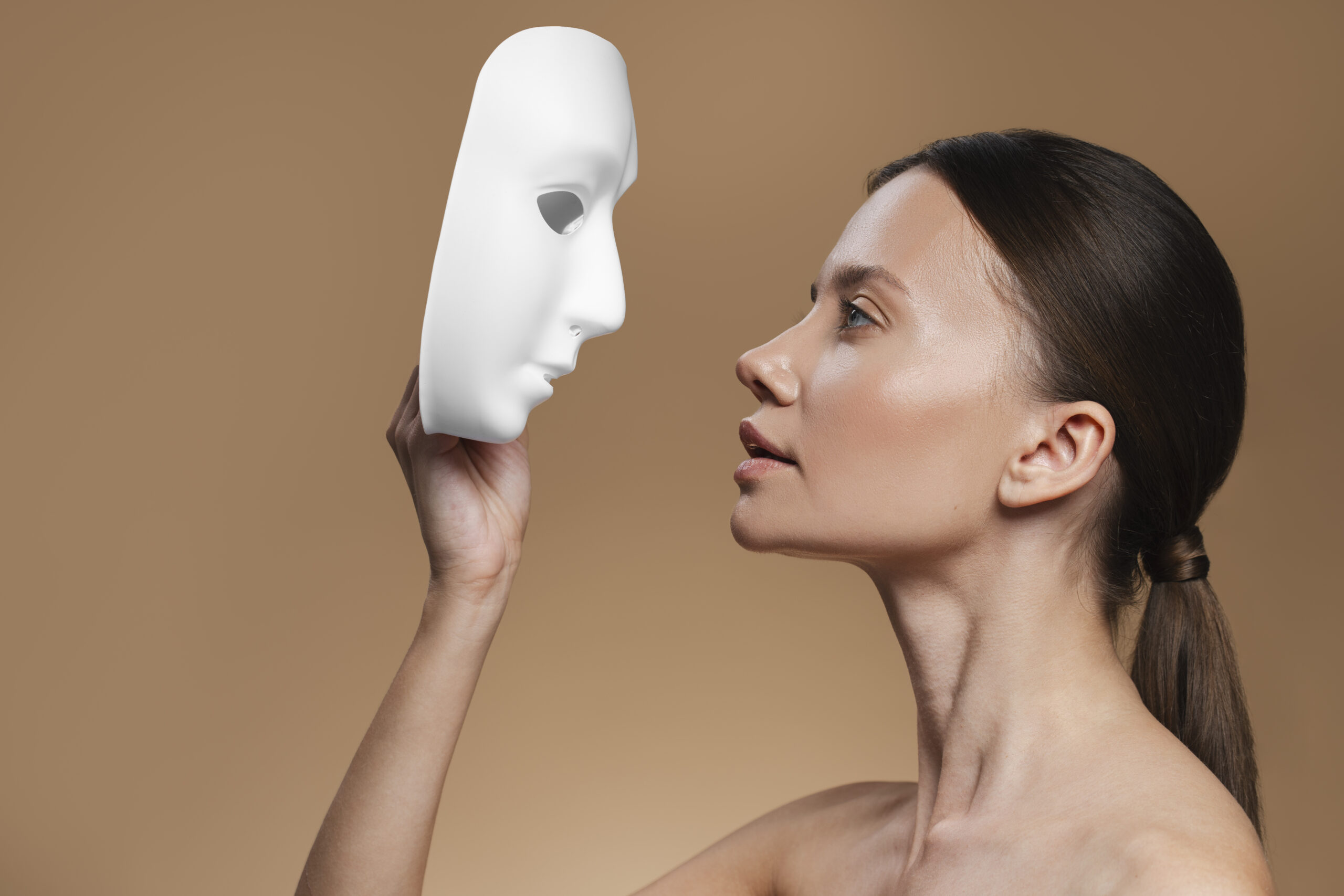
There is nothing that makes a person more beautiful than confidence!
Though the definition and perception of beauty have evolved through the ages, the desire to be and feel more beautiful has seemingly always existed. Even in times when cultures remained largely separate and fashion didn’t sweep across the globe in a single instant, beauty—especially its universal yet subjective aspects—was always in vogue. It manifested through makeup, clothing, accessories, and sometimes through the markers of one’s social class.
Despite numerous studies exploring which part of the brain detects universal beauty traits and how our primitive minds register them, we still don’t fully understand this process. Yet we do know such instincts exist—just as in the animal kingdom, where it’s often the males who are adorned or striking in order to attract a mate.
Beauty, a subject of fascination from mythology to philosophy, anthropology to sociology, has now become something both women and men pursue at even younger ages—and thanks to surgical advances, something they can physically intervene in like never before.
Our unconscious decision-making, which responds to symmetry or the so-called “golden ratio,” is not just tied to reproduction and the desire for immortality—it also persuades us that what is beautiful must be innocent, pure, and trustworthy.
Psychological studies have long confirmed that individuals perceived as attractive tend to leave more positive first impressions in both professional and social contexts. This is due to what’s known as the halo effect, a cognitive bias in which our perception of someone’s physical appearance spills over into how we judge their character, intelligence, or competence.
Research has shown that attractive individuals are more likely to be favored in hiring processes, client relations, and leadership roles. For instance, a study published in Harvard Business Review found that in certain industries—such as fashion, sales, and marketing—physical attractiveness can accelerate promotions and lead to higher earnings.
Another Harvard study even suggests that taller men earn more than their shorter counterparts, with this discrepancy having little to do with rational metrics like skill or education. Instead, it’s likely the result of irrational, subconscious decision-making mechanisms—though precisely how remains difficult to define.
From another angle, placing more emphasis on a professional’s appearance than on their competence has led to what we now call “appearance pressure.” While studies exploring the link between beauty and success do affirm the influence of physical appearance, they also stress that it is not the sole determinant. Yet in today’s world—shaped by rapidly evolving social media standards and viral ideals—we may be thrusting ourselves into a beauty-driven anxiety, exaggerating our interventions, and over-relying on cosmetic procedures. We start believing that if we become more beautiful, we’ll also be more successful, happier, more prosperous… more of everything. But sadly, the system doesn’t always work that way.
I believe that those who have found inner contentment tend to choose more modest, natural-looking enhancements—ones that reflect their well-being and bolster the confidence they already possess. The more at peace someone is with themselves, the less they feel the need to amplify their physical appeal. Their decisions become healthier, more measured, and most importantly, for themselves—not for others.
So, how can we know if a cosmetic procedure will truly benefit us? How can we be sure it will support our well-being?
By asking ourselves the following questions—and answering with complete honesty:
1. Why Do I Feel The Need For This Procedure?
– Is this desire rooted in a genuine internal wish, or has it been influenced by others’ opinions, expectations, or societal pressure?
– Might my desire to alter my appearance stem from a lack of confidence or a temporary emotional state?
2. How Will This Procedure Change My Life?
– Are the benefits I expect to gain—improved confidence, better relationships, career success—realistic?
– Will this change make me a happier, more fulfilled person, or will I remain dissatisfied with other aspects of my life?
3. Am I At Peace With My Body And Myself?
– What is my general relationship with my body?
Am I rejecting it entirely, or simply seeking to adjust one particular feature?
– Have I tried non-surgical methods to make peace with my body before choosing his route?
4. Do I Have Enough Information And Awareness Behind This Decision?
– Do I understand the risks, recovery process, and potential side effects of the procedure?
– Am I confident in the experience and credibility of the practitioner?
– Am I aware that this is a permanent, non-reversible process?
The honest answers to these questions can reveal much about our relationship with beauty, whether we see it as a means or an end, and whether our sense of self-worth is shaped more by internal or external factors. And if you ask me, nothing makes a person more attractive, more radiant, more fulfilled, more free, and more beautiful than a healthy dose of genuine self-confidence.