



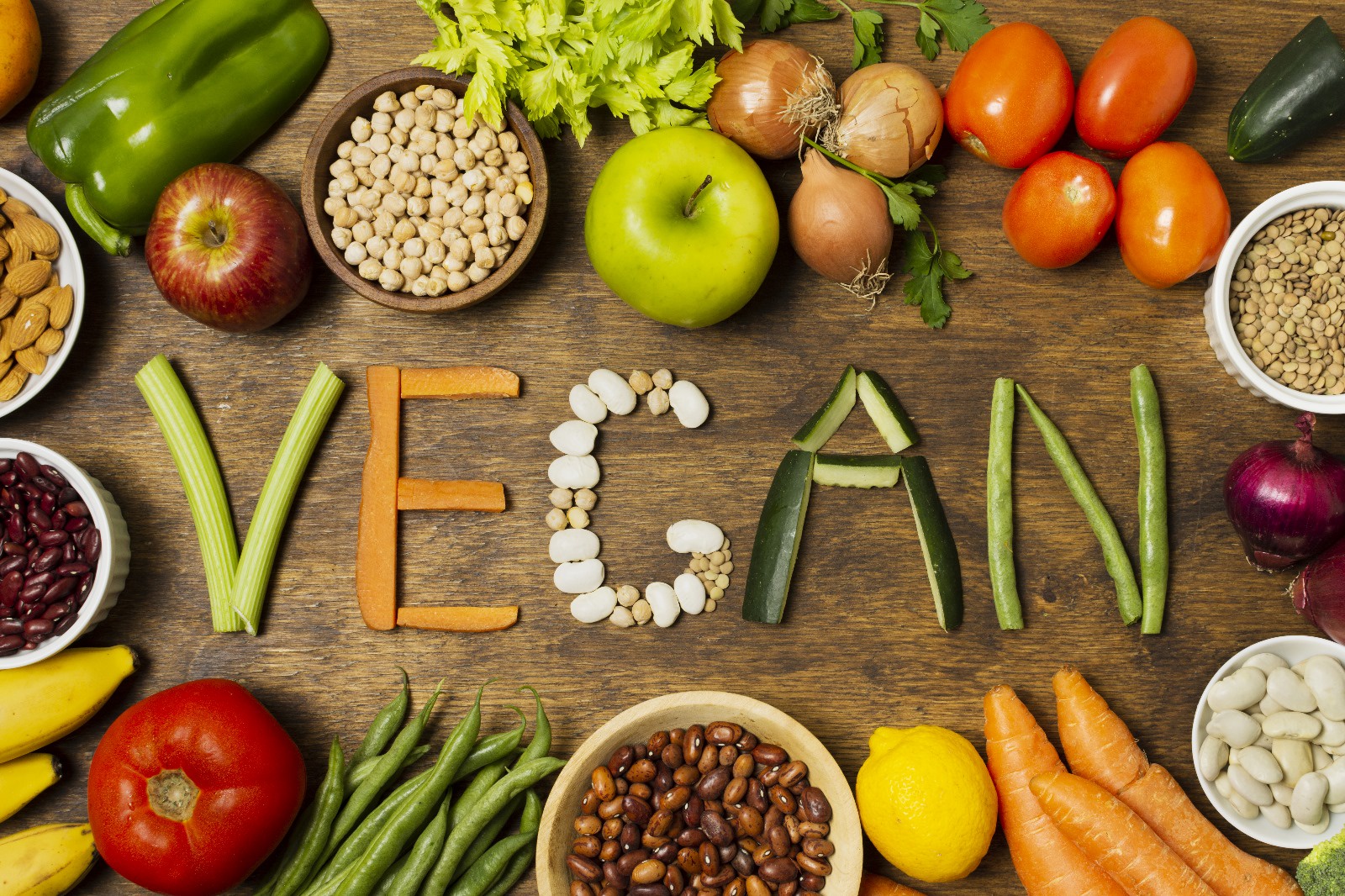
I’m writing this as a 41-year-old woman—an age when I feel
like I can see the changes in my face every time I look in the mirror. The pace
of change has never felt so fast. In addition to external and aesthetic touches
to the skin, we humans long for a more productive formula. That’s why I’m
writing this article, posing the question: Does a vegan diet slow aging?
First, to clarify the terminology, let’s talk about the
difference between vegan and plant-based eating. Those who follow
a vegan diet do so for the sake of animal rights, refraining from all
animal-based products in every aspect of their lives. In other words,
plant-based eating is the result, not the goal, of their ethical choice. On the
other hand, people who want to reduce or eliminate animal products from their
diet purely for health reasons can make a dietary decision in that
direction—without embracing an overall vegan philosophy. Because by the end of
this article we’ll also touch on our planet, I’ll continue with the term “vegan
diet.”
It’s beyond debate that what we eat has a major impact on
our bodies. In his book How Not to Die, Dr. Michael Greger examines
numerous diseases from a preventive-medicine perspective, offering tips on how
to avoid or at least minimize the harm they cause. In the foreword, he writes:
“I’m not advocating a vegan agenda; I’m advocating an evidence-based diet and
the best available scientific data, which shows that the more we base our diet
on plants, the better.” This indicates that a vegan diet can offer many
positive effects. However, in this piece, we’ll focus on one mesmerizing topic:
the potential anti-aging effects of a vegan diet.
Aging, in simple terms, occurs with the shortening of
the ends of our chromosomes—known as telomeres. As we age, our telomeres
shorten; or conversely, as our telomeres shorten, we age. Beyond our genetic
makeup, environmental factors also influence this process. For example,
smoking, a sedentary lifestyle, stress, and chronic inflammation are directly associated
with telomere shortening, whereas consuming plant-based foods and maintaining a
healthy lifestyle help preserve telomere length.
A 2017 article published on Springer Nature Link found that
higher blood carotenoid levels in American adults were significantly linked to
longer leukocyte telomeres. In the conclusion, the authors state that a high
intake of carotenoid-rich foods may help protect telomeres and regulate
telomere length. Carotenoid-rich foods include carrots and pumpkin
(highest levels), along with spinach, tomatoes, beets, broccoli, and other
plant-based foods. The fascinating aspect of this is realizing that diet can
potentially affect aging—as though we’re sipping an elixir of life.
A related documentary and subsequent paper provided an even
stronger illustration of this. In You Are What You Eat: A Twin Study,
for eight weeks, sets of identical twins were separated into groups: one
followed a healthy omnivorous diet plus exercise, while another followed a
healthy vegan diet plus exercise. The results were striking. The vegans
experienced measurable reductions in insulin, cholesterol, and body weight, and
a randomized clinical trial investigating the cardiometabolic effects of
omnivorous vs. vegan diets in identical twins found that a healthy vegan
diet led to better cardiometabolic outcomes compared to a healthy
omnivorous diet. The study’s authors suggest that clinicians could consider a
vegan diet as a healthy alternative for their patients.
It turned out that the twins on a vegan diet had
significantly longer telomeres than the omnivores. At the start of the trial,
their telomeres were shorter, and the study confirmed that the change in
telomere length was connected to the vegan diet. Under normal circumstances,
this finding would spread widely and garner considerable attention, but because
anti-aging is such a profitable industry, it’s the kind of information that may
not be welcomed—or might even be suppressed.
Moreover, the health of our planet profoundly affects our
lives. We are currently dealing with a global climate crisis and the intense,
exhausting challenges it brings. Our overconsumption and misuse of the Earth’s
resources are leading us all toward a dire situation. In that regard, the
animal agriculture industry is one of the main drivers of climate change. If
you look for a specific percentage, you might see figures as varied as 14.5% or
51% since the livestock sector is a huge economic machine that continues
running despite the damage it does to the planet, animals, and people. As a
result, it’s often difficult to find sound information on the topic. But we do
know that every year, millions of animals are bred and consumed worldwide. The
global climate crisis is now a major source of daily stress—which, as noted, is
one of the leading factors accelerating aging.
Ultimately, we cannot view our lives as separate from the
planet we inhabit. As part of nature, we should remember that we’re an integral
component of the ecosystem, rather than placing ourselves above it and
consuming it at will. Perhaps recalling this might prompt us to reconsider our
lives and what we consume, making more ethical choices in the process. We may
then see the positive outcomes of these changes for our own health and for the
health of nature and the planet as a whole.