


Last May, we traveled from Kathmandu to Bhutan.
You know those times when you simply don’t want to return from a place…
It leaves you longing for more — that’s exactly how it felt!
From the moment you land, a smile spreads across your face, and you feel as if you’ve arrived at your own home.
That is Bhutan — without exception. Bhutan feels like another planet, even another time.
WHY BHUTAN?
TV was first allowed in 1999.
Until 1962, there was no road connection to the outside world.
There are no traffic lights in the capital.
Until 1973, no money was used in the country – everything operated through barter.
If someone says “I have no home,” the king provides both a house and a job.
72% of the country is covered with forests, even though the constitution requires only 65%.
It is the only country in the world with a negative carbon footprint.
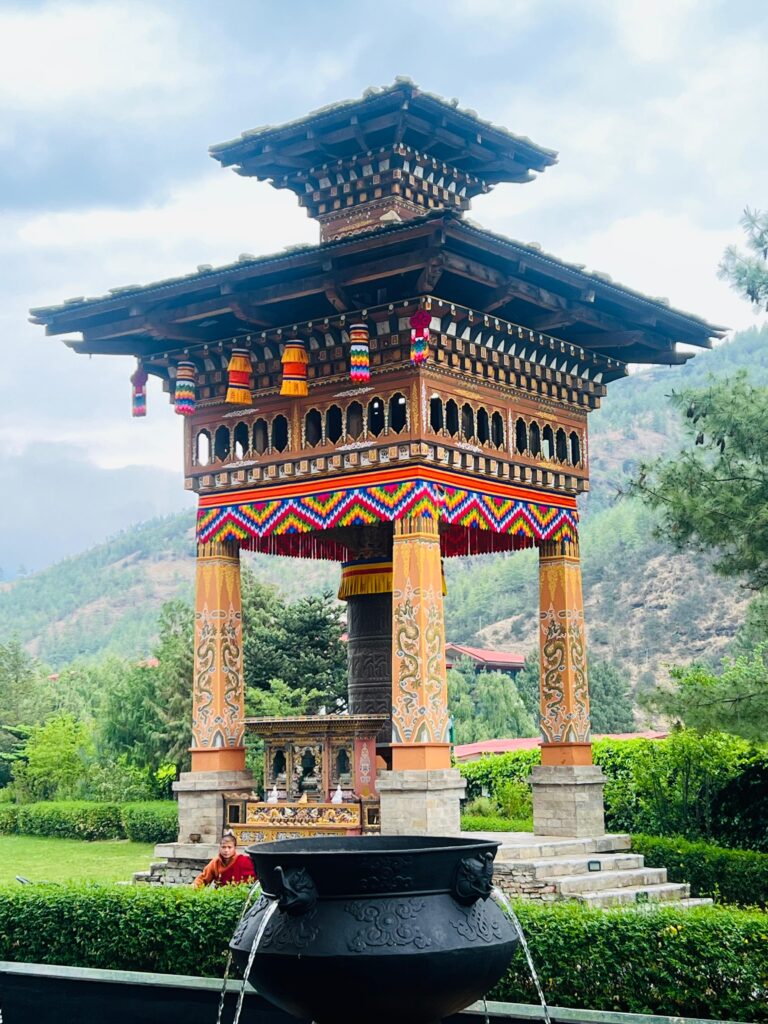
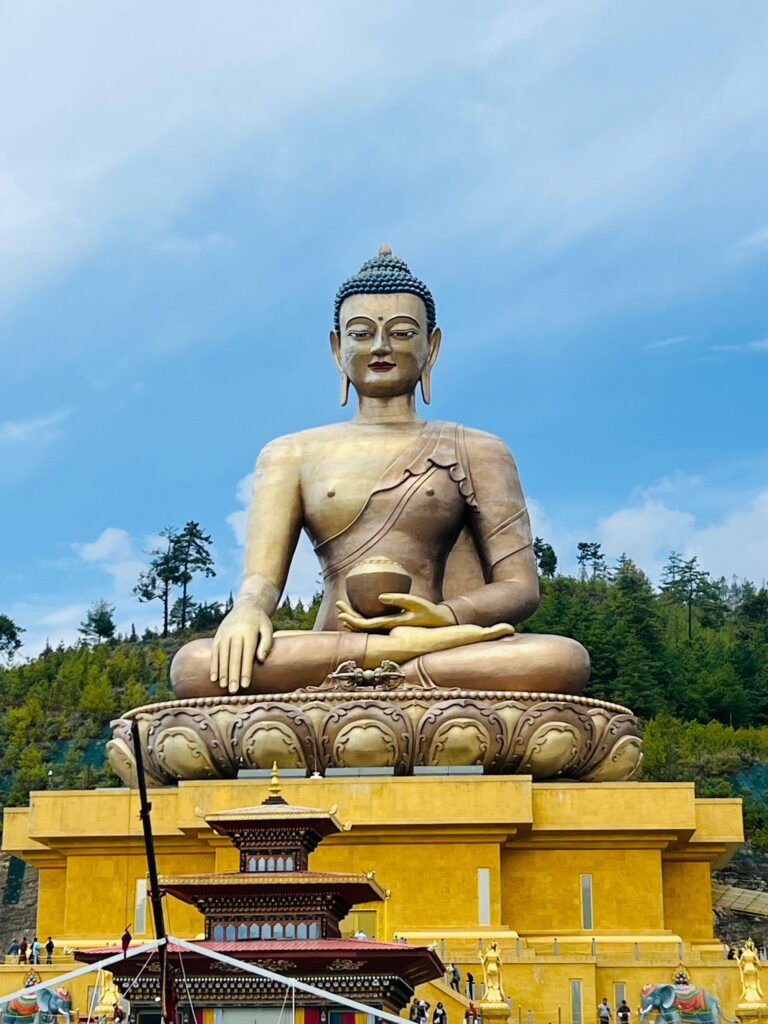
Everything you eat is truly organic, with no chemical fertilizers used.
Bhutan is the country of happiness — the only nation in the world that adopts the principle of Gross National Happiness (GNH), which is actively measured.
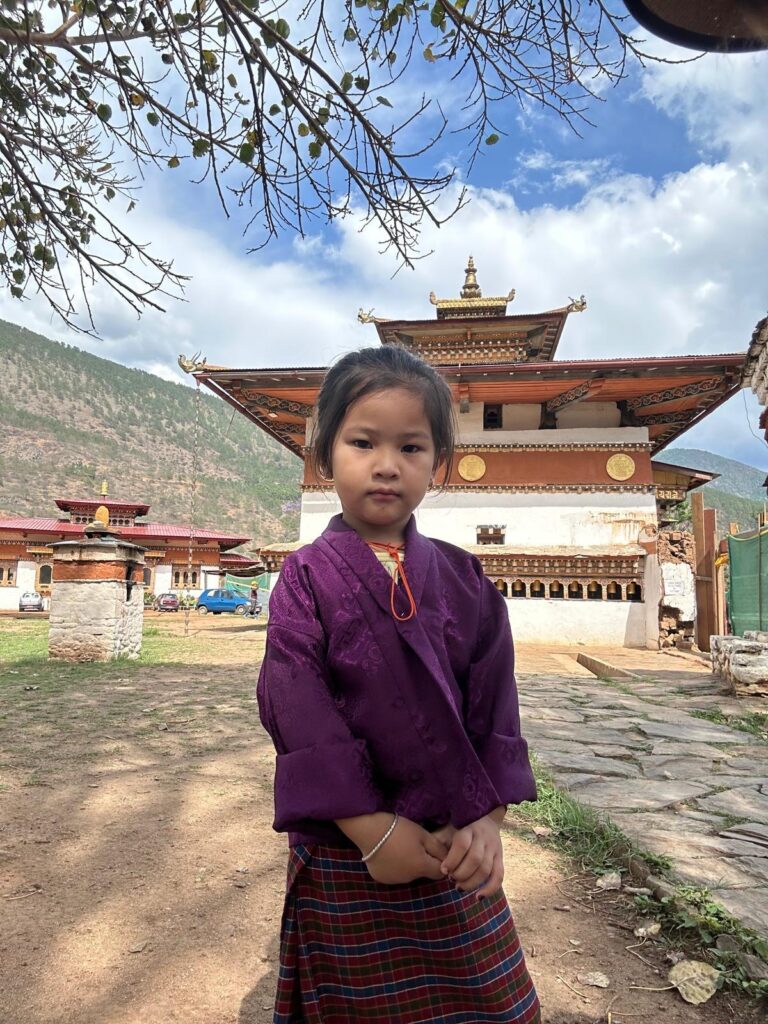
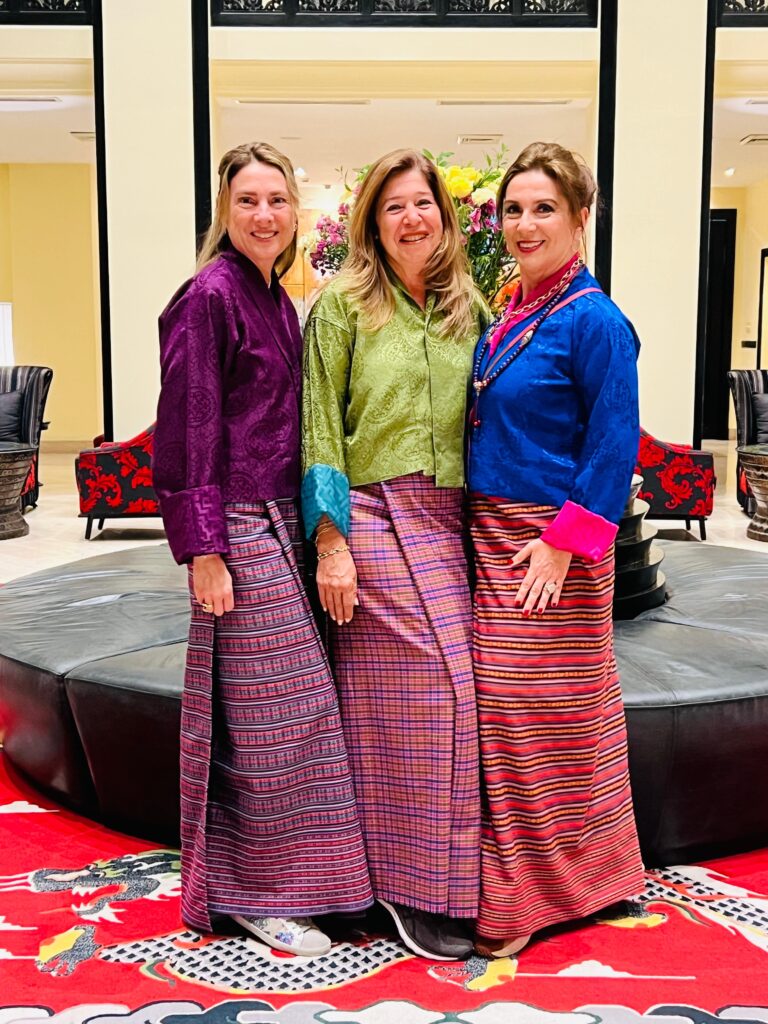
People wear traditional clothing until 4:00 p.m., adding a visual elegance to the country.
The country is generally vegetarian; the idea of harming an animal is unthinkable.
No citizenship for foreigners, no marriage to outsiders, and no right to settle.
There is limited access to the outside world, and the number of tourists is deliberately restricted to prevent mass tourism.
As clean and orderly as Switzerland.
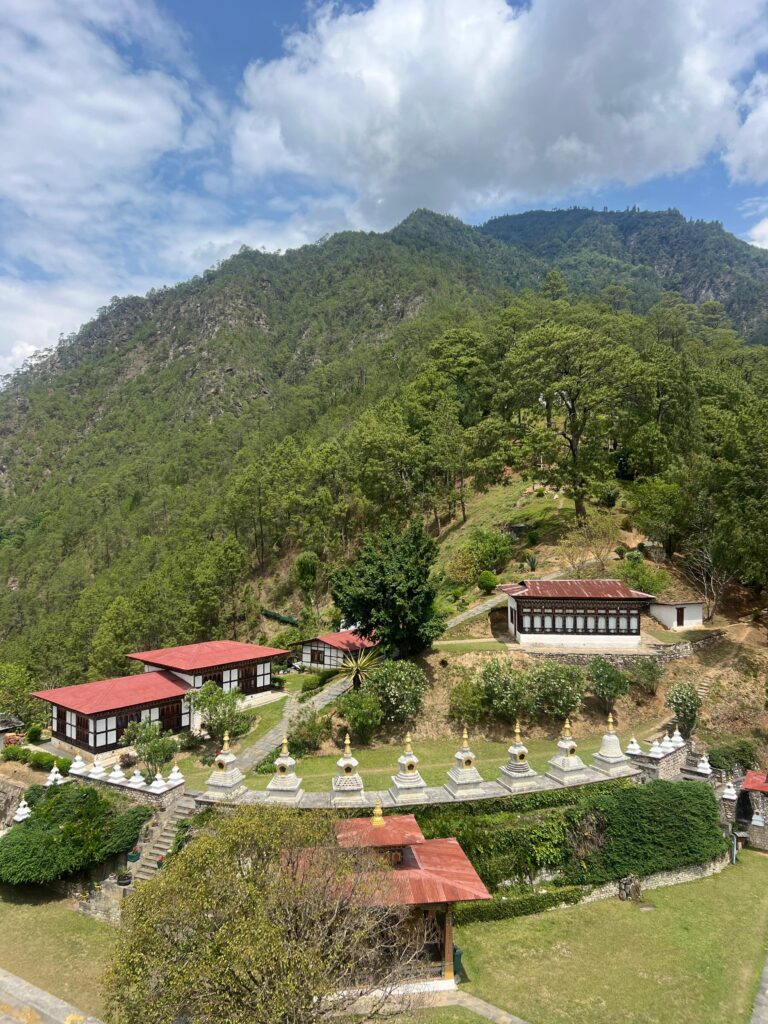
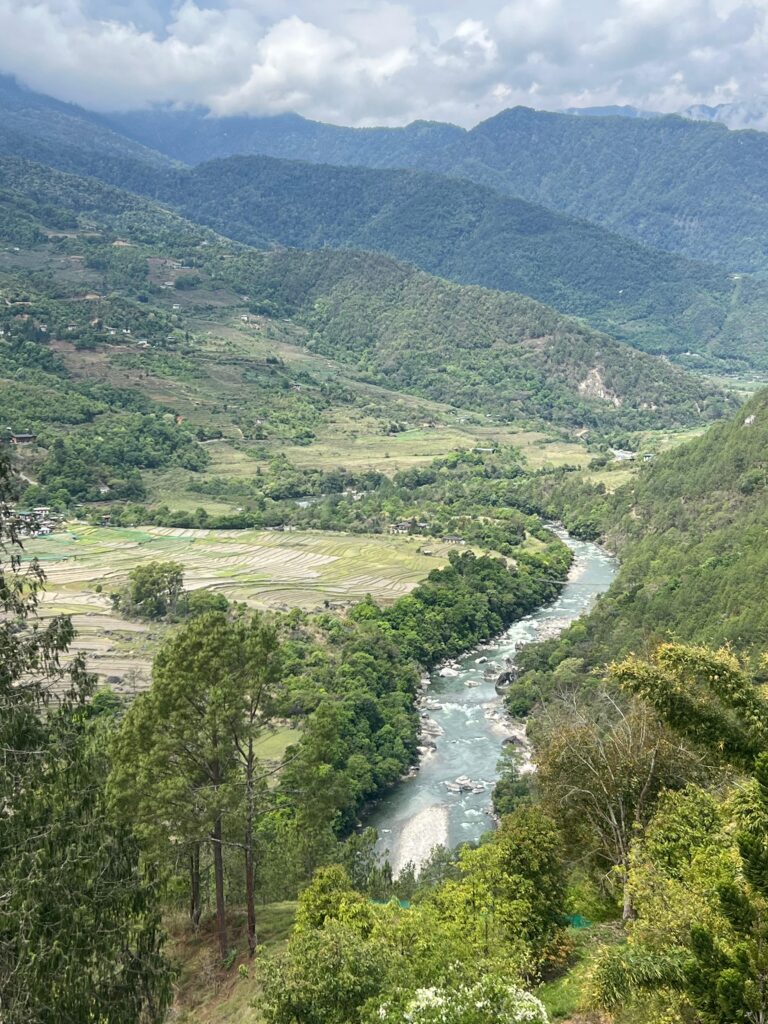
Healthcare and education are completely free. Bhutan is known locally as “Druk Yul,” meaning “Land of the Thunder Dragon,” a name inspired by the frequent storms in the region and the dragon’s significance in Buddhist mythology.
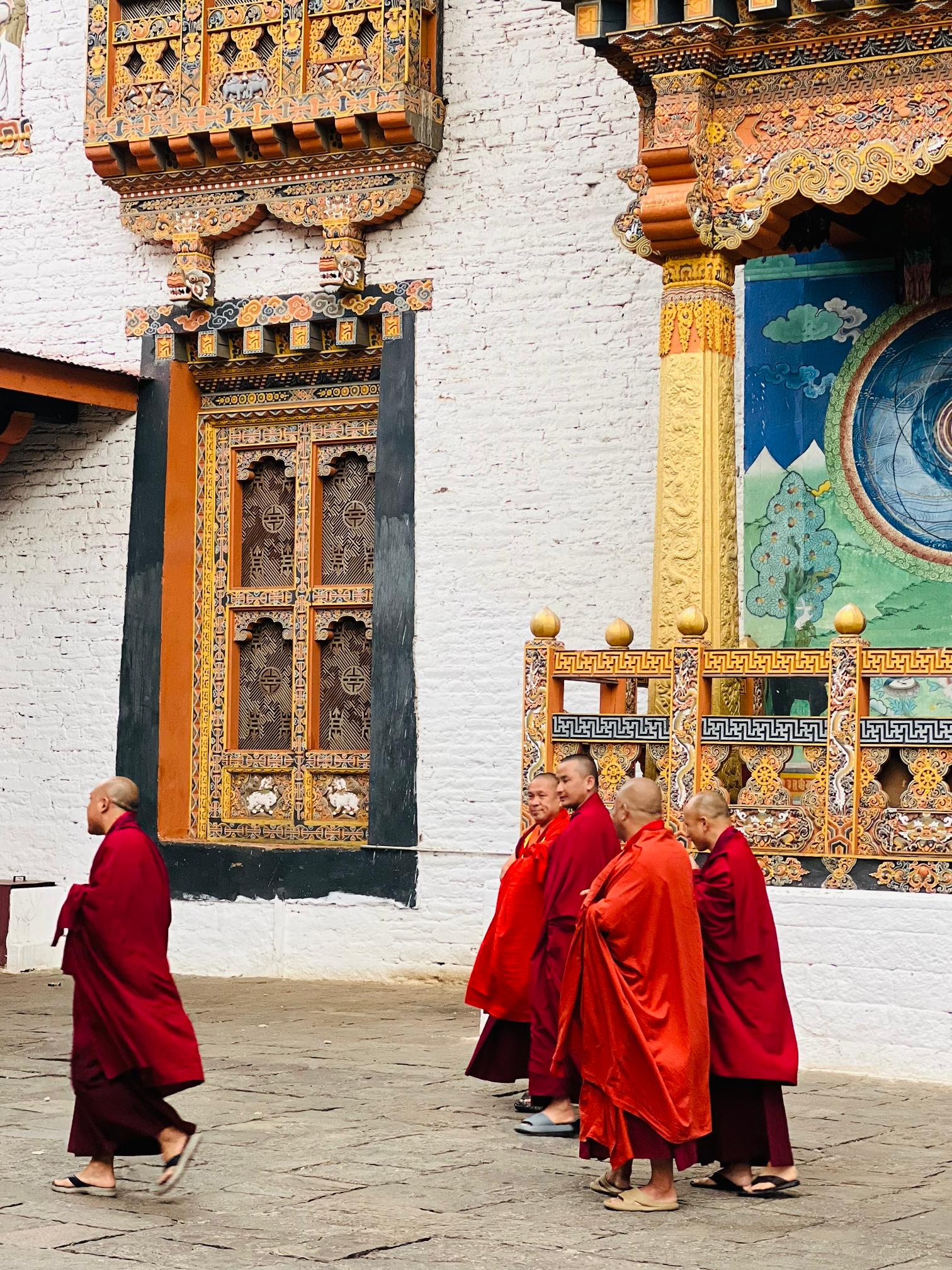
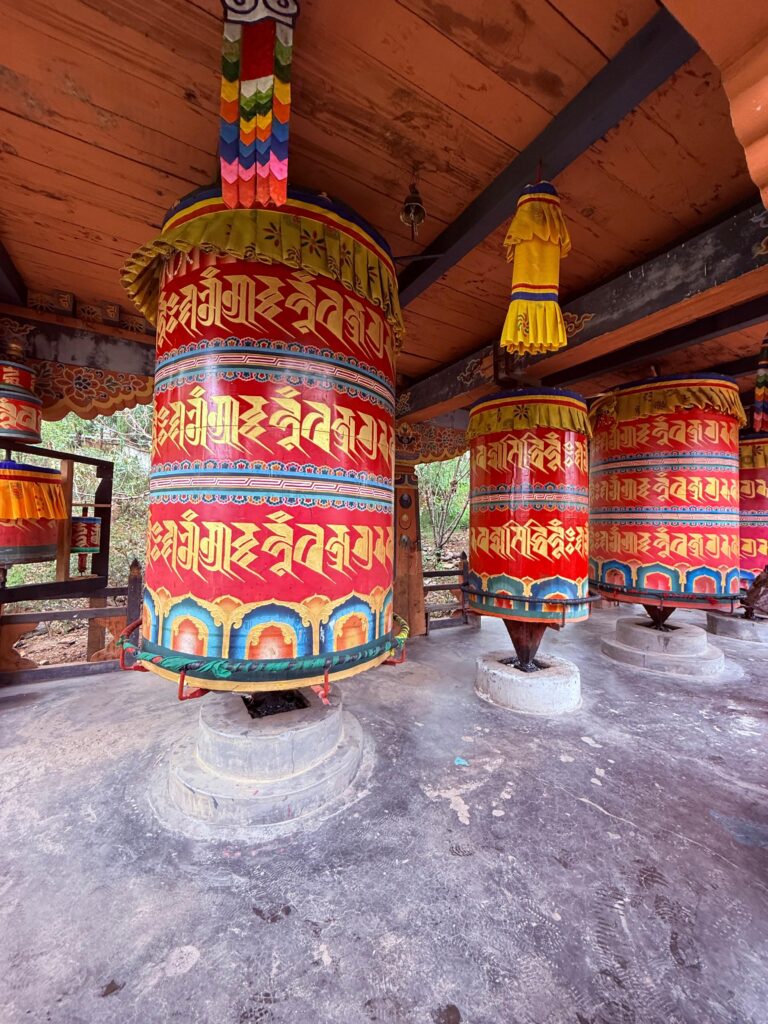
Buddhism forms the foundation of Bhutan’s religious and cultural structure, with religious rituals playing a central role in daily life.
The Taktsang Monastery (Tiger’s Nest) is one of the country’s most iconic landmarks.
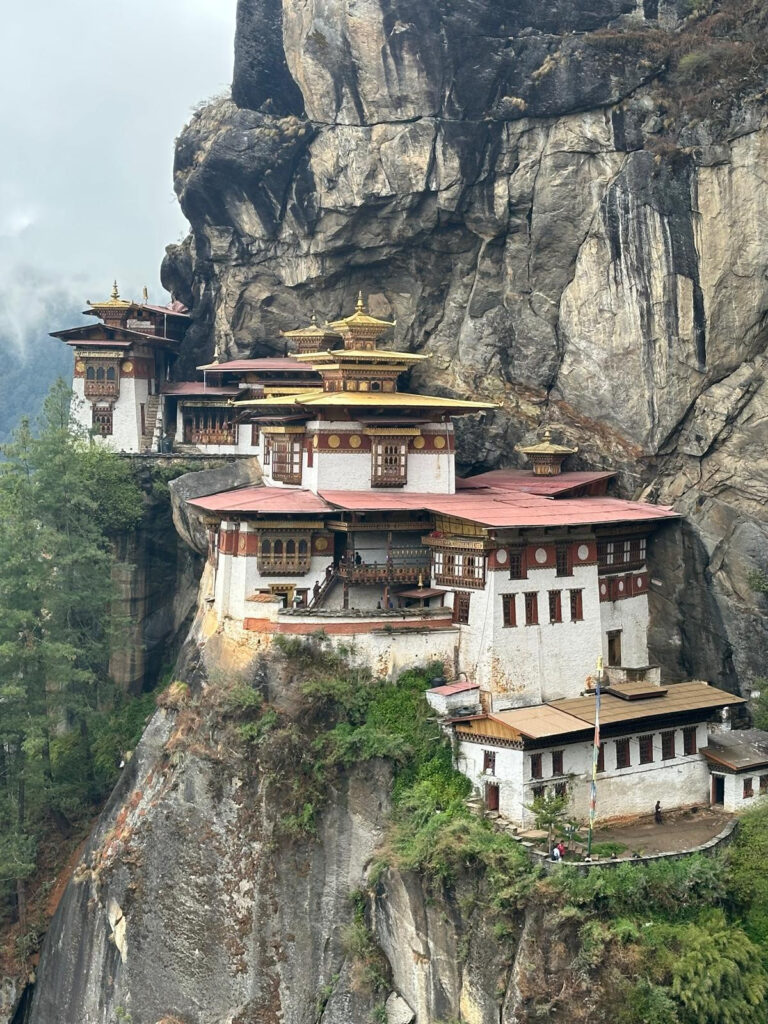
One of the country’s most famous and sacred monasteries, it is located in the Paro Valley at an altitude of about 3,120 meters above sea level. Built in the 8th century, legend has it that Guru Padmasambhava, who founded the monastery, transformed into a tiger and flew to these high cliffs to reach the site. The monastery is an important pilgrimage destination for Buddhists. To get there, you must embark on a 2–3 hour hike and climb to the top of the cliffs—a journey we, too, undertook. We personally experienced the sacred atmosphere of the site and the incredible feeling of infinity that surrounds it.
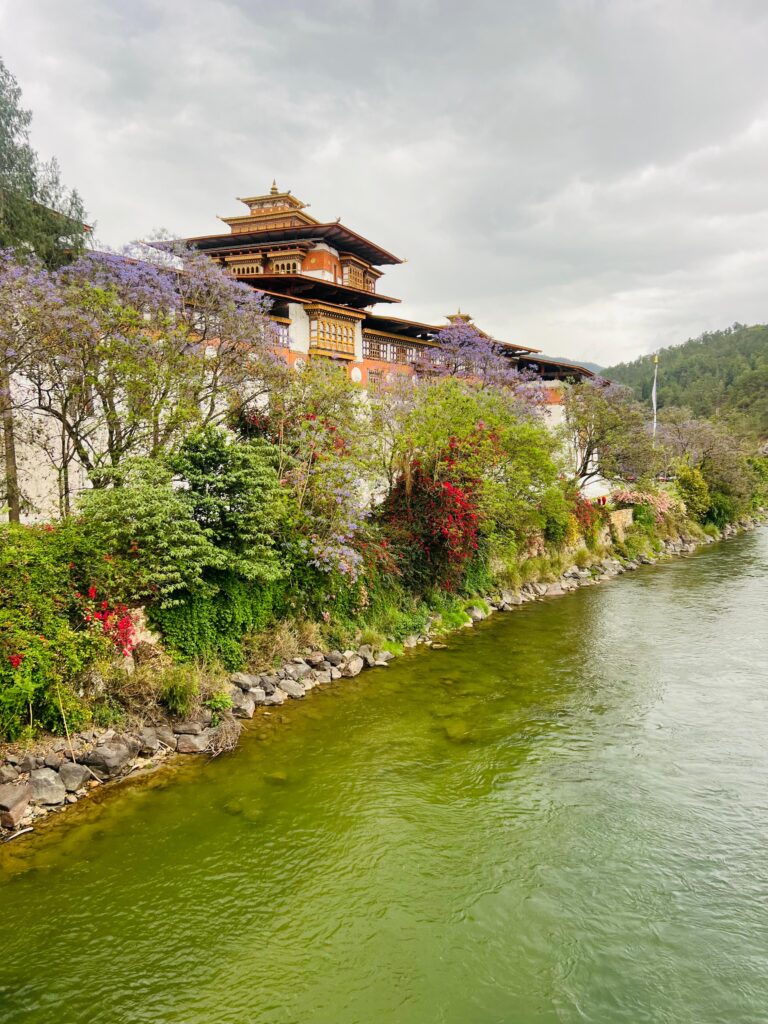
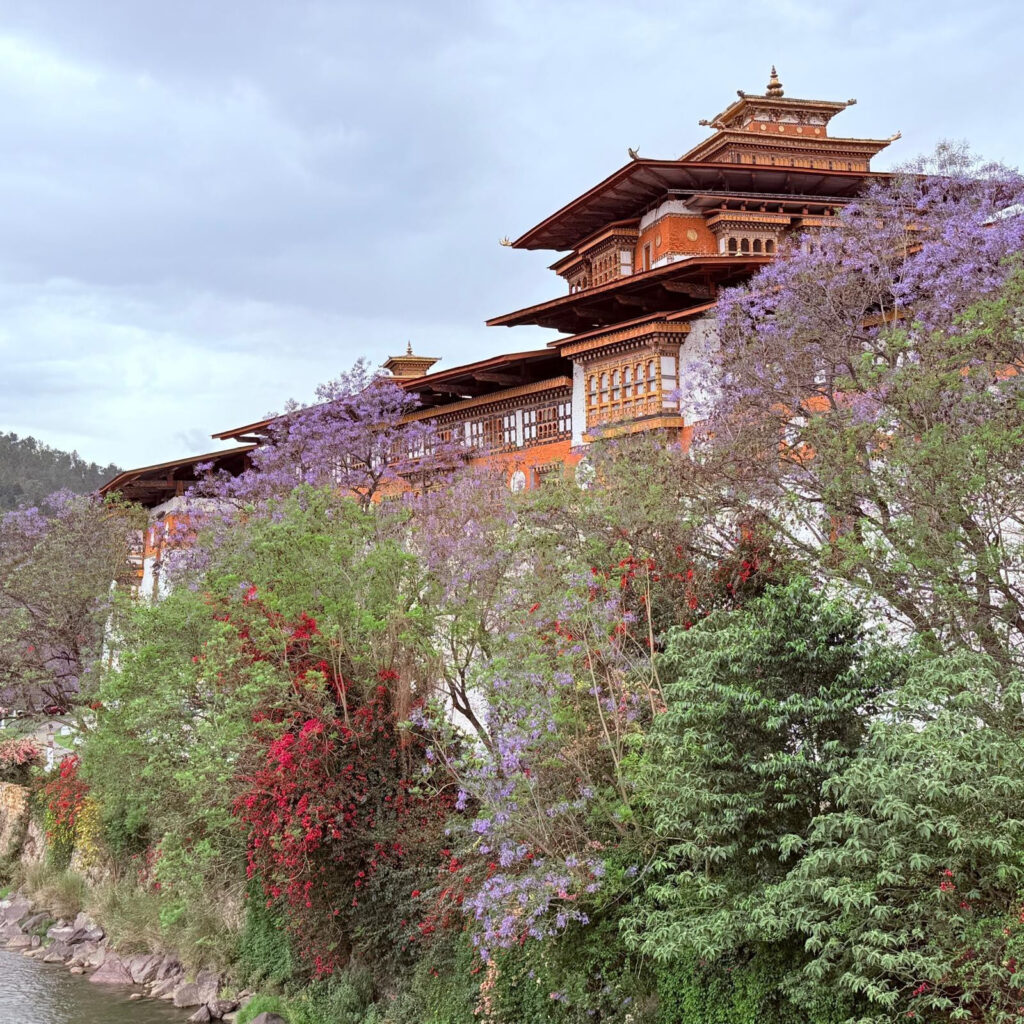
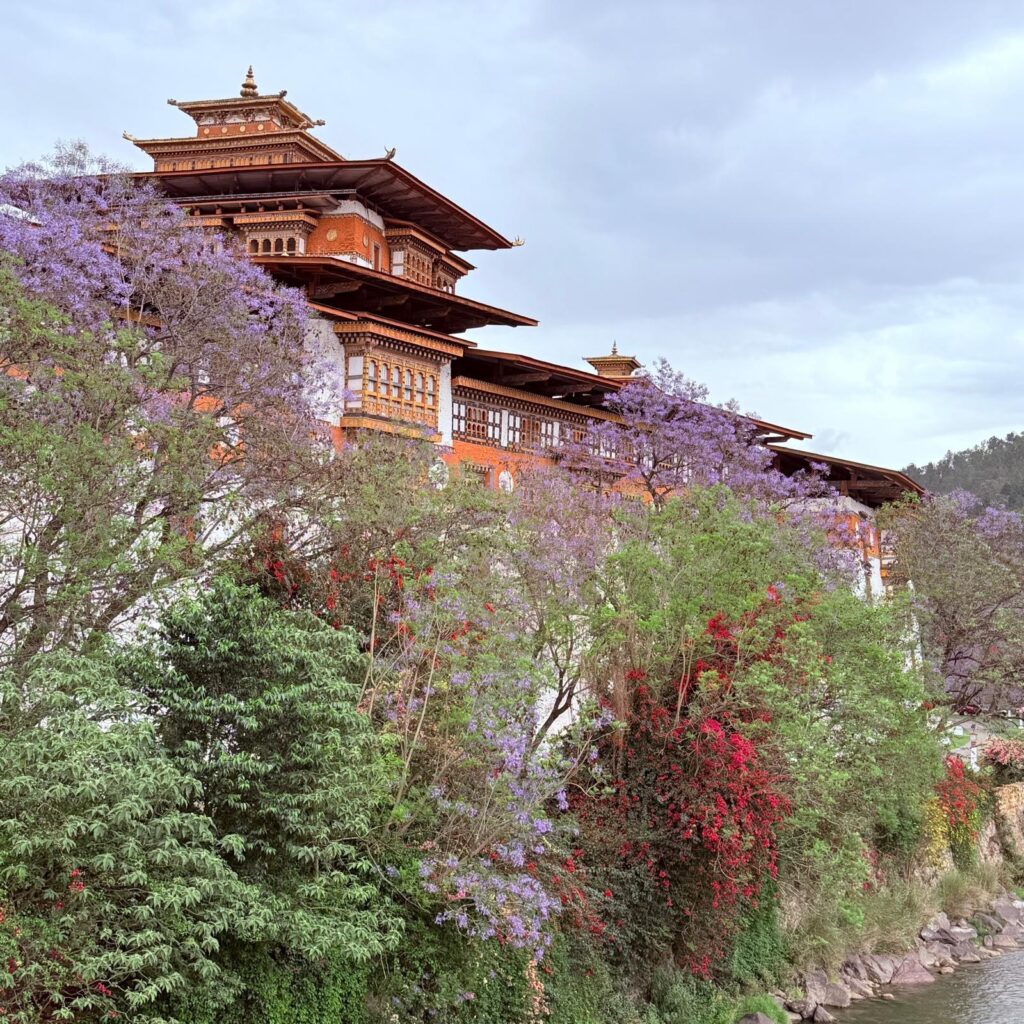
Bhutan is also famous for its festivals, which feature colorful masks and costumes. In 2008, the country transitioned to full democracy, making it one of the youngest constitutional monarchies in the world, still ruled by a king.
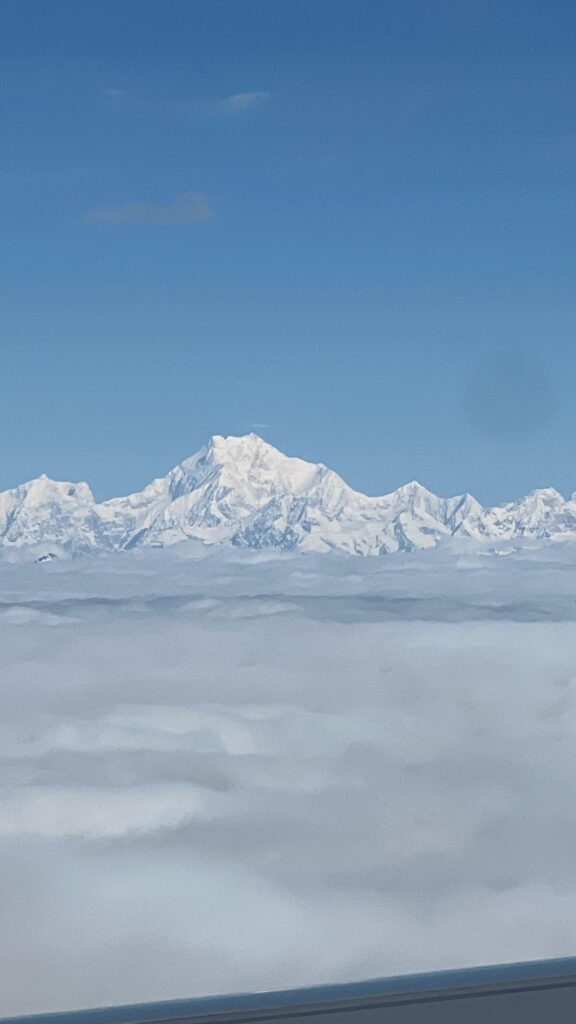
Paro International Airport, Bhutan’s only international airport, is considered one of the most dangerous in the world to land at, with landings permitted only during daylight hours. The challenge comes both from natural conditions and the structure of the runway itself. Located in a valley at an altitude of 2,200 meters in the Himalayas, the airport is surrounded by steep mountains that rise up to 5,000 meters.
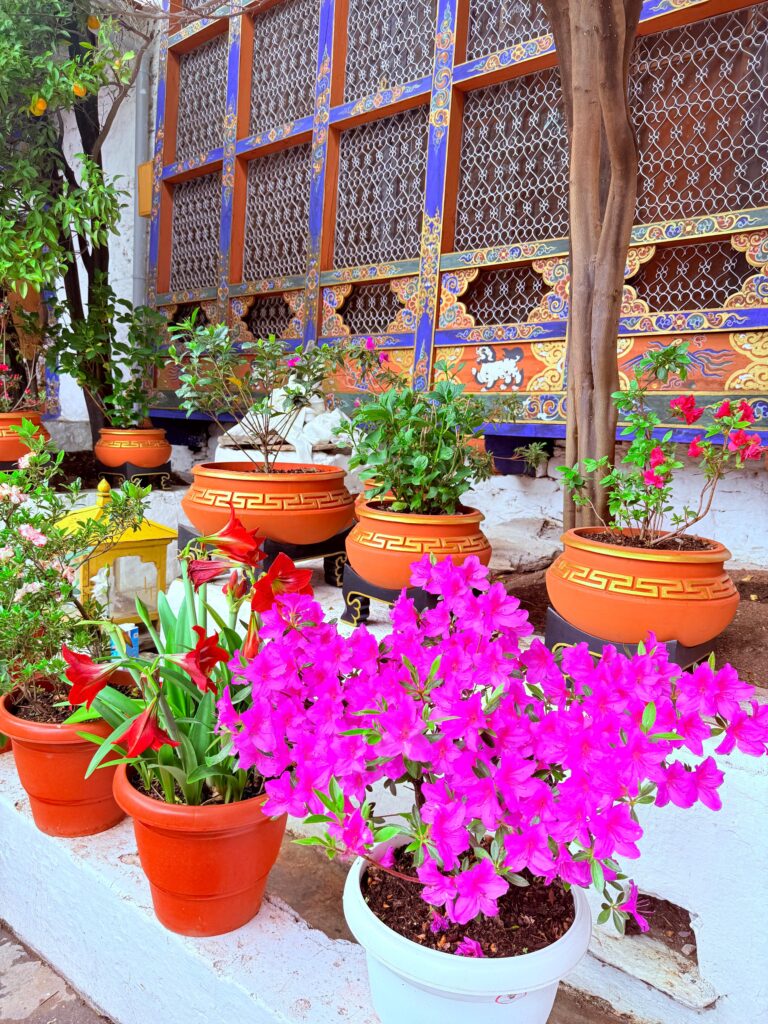
Only a very small number of highly experienced pilots in the world (around 20–25) are licensed to land at this airport. The mountains of Bhutan are covered in bright red rhododendron flowers, and its valleys are adorned with the purple of jacarandas.
Nature looks as if it were painted by Monet’s brush.
You feel as though you’re inside the movie Avatar—and one of its characters.
I strongly recommend that you experience Bhutan one day; it gave me an incredible sense of infinity.