



10 Fascinating Facts About Plastic Surgery
Aesthetic Surgeon Dr. Serdar Bora Bayraktaroğlu shares ten interesting facts about plastic surgery:
Plastic surgery, broadly defined, refers to aesthetic procedures that correct congenital or acquired conditions in the human body. It restores, reshapes, and enhances—creating aesthetic solutions to improve form and function.
Plastic surgery includes cosmetic and non-cosmetic operations, reconstructive surgery, aesthetic surgery, and microsurgery.
Historical records show that plastic surgery has been practiced since ancient times. Yet despite today’s digital age, rapid communication, and social media, many misconceptions about plastic surgery still circulate.
For this reason, here are ten fascinating facts you should know about plastic surgery:
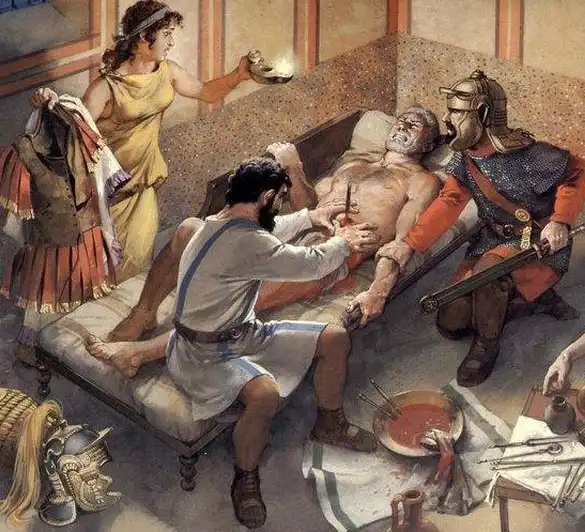
1. The word “plastic” in plastic surgery comes from the Greek word Plastikos, meaning “to shape or mold.”
The term does not refer to artificial materials—a common misunderstanding.
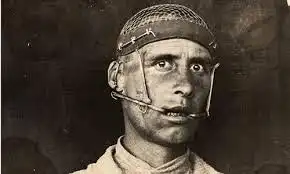
2. Innovations in plastic surgery techniques began during World War I.
Due to the enormous number of injuries, surgeons worked to restore soldiers to their natural appearance, sparking groundbreaking surgical advances.
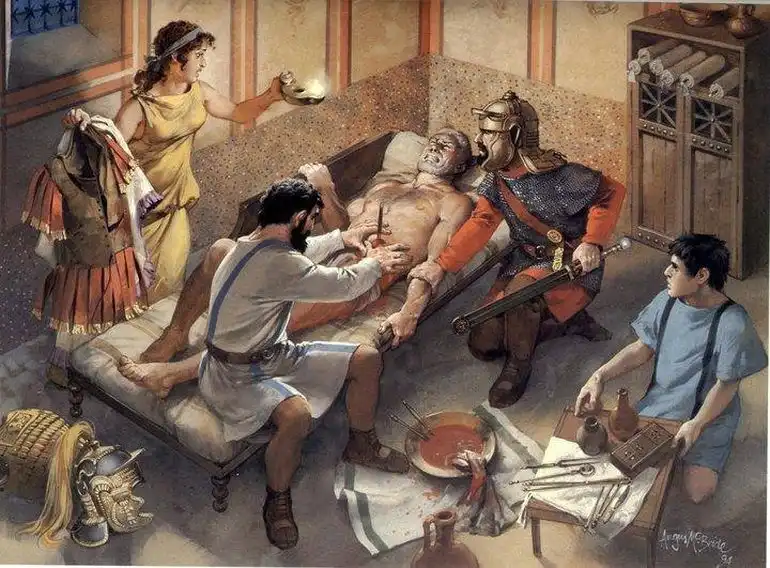
3. In Ancient Rome, plastic surgery was used to remove scars.
Back scars were considered shameful because turning one’s back in battle was dishonorable. Surgeons attempted to erase these marks with early reconstructive techniques.
4. The first breast augmentation surgery was performed in Germany on a singer.
The patient was fortunate to have a large fatty mass on her back, which was transferred to her breasts.
5. The first rhinoplasty was performed in 600 BCE in India.
Skin grafts taken from other parts of the body were used to reconstruct the nose, and wooden tubes were inserted to maintain breathing passages.
6. Modern liposuction was developed in 1977 in France by Dr. Yves-Gerard Illouz.
The groundbreaking procedure removed fat without leaving scars on the patient’s back.
7. The first plastic surgery to be covered by insurance in the U.S. happened under President Bill Clinton.
The legislation also included breast augmentation to achieve symmetry—an important milestone for both surgeons and patients.
8. The British began using plastic surgery techniques for nasal reconstruction in the 17th century.
Since then, aesthetic procedures have spread throughout Europe.
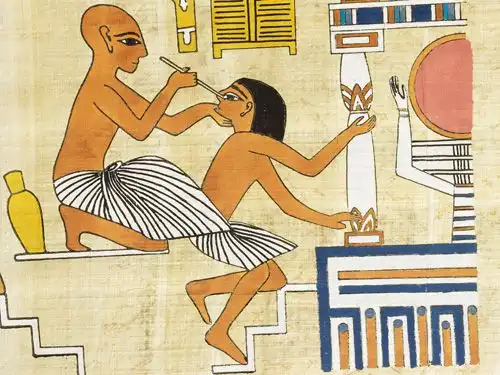
9. In Ancient Egypt, plastic surgery was performed on the deceased, not the living.
Small bones and seeds were inserted into the nose so individuals could be recognized in the afterlife.
10. The most commonly performed procedures worldwide are rhinoplasty and breast augmentation.
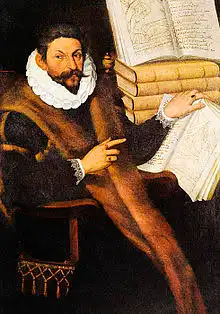
Women make up 90% of all plastic surgery patients. The 15th-century Italian surgeon Gaspare Tagliacozzi is considered the father of modern plastic surgery.