



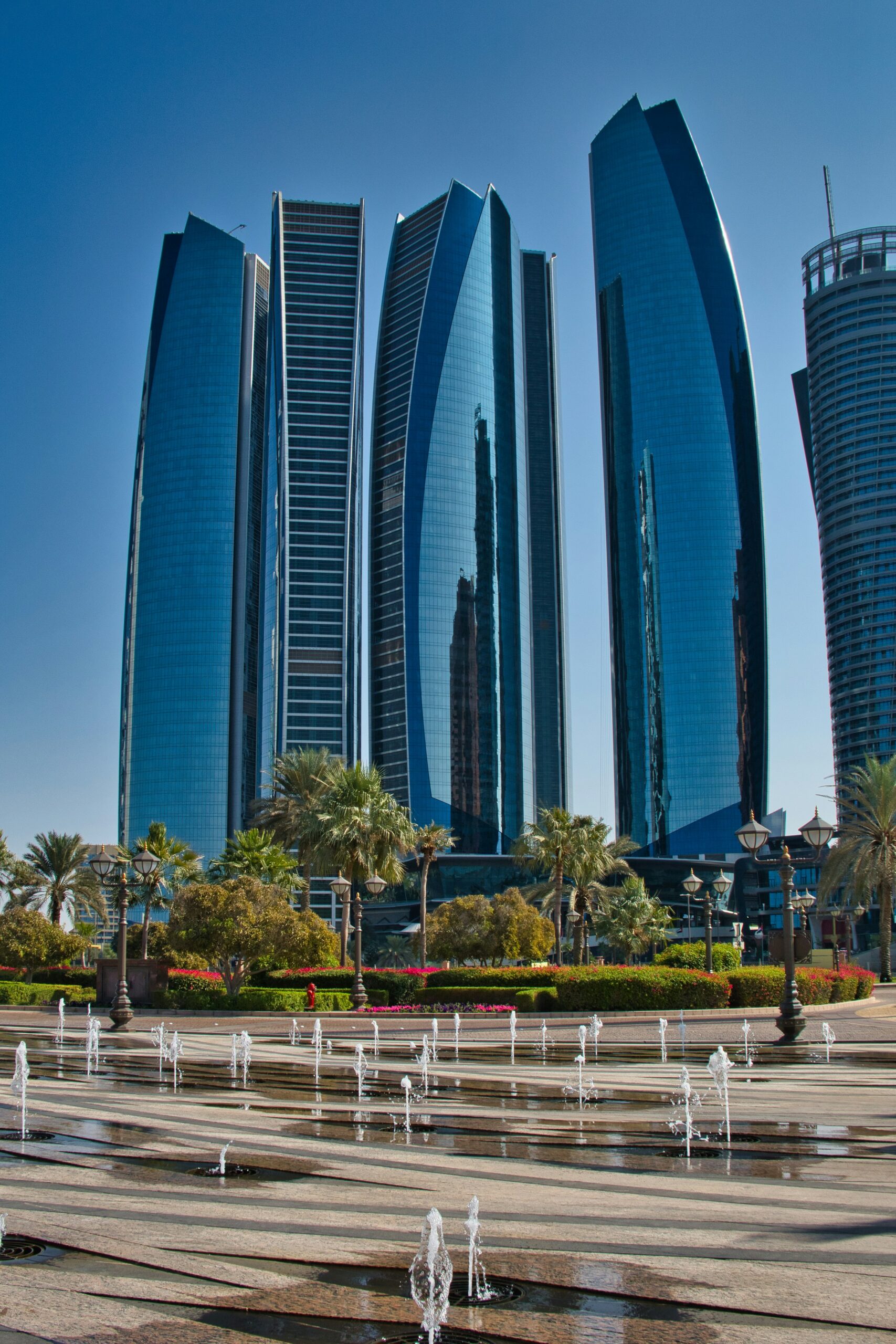
The announcement that The World’s 50 Best Restaurants 2026 will take place in Abu Dhabi signals the rise of new centres on the global gastronomy map.
The world of gastronomy is being redrawn. For decades, the global fine-dining map was largely read through cities such as Paris, London, New York, Copenhagen, Barcelona and Tokyo. Today, however, the table has expanded across a far wider geography.
The World’s 50 Best Restaurants 2026 awards will be held in Abu Dhabi in November 2026, marking the first time the global list will be announced in the capital of the United Arab Emirates. The programme is set to include 50 Best Talks, Signature Sessions and the Chefs’ Feast, bringing together local culinary culture with some of the world’s leading restaurant teams. The announcement also follows the 2025 edition, where Maido in Lima was named The World’s Best Restaurant; previous No.1 restaurants are moved to the “Best of the Best” list and are no longer eligible for future rankings.
There is a strong aesthetic dimension to this shift. Food is no longer simply a matter of flavour; it has become a question of geography, identity, memory and representation. A plate is now a small stage composed of spice, technique, architecture, service ritual and cultural narrative.
Abu Dhabi’s role as host of this global gastronomic gathering raises a timely question: where is the centre of world cuisine today? Perhaps there is no single centre anymore. Perhaps the beauty of contemporary gastronomy lies precisely in its polycentric, multilingual and multilayered nature.